
Last updated: November 2026
Quick answer: A CTP plate room needs a platesetter to image the plates, a plate processor with developer and gum to develop them, and good plate handling and storage. Many plants add a baking oven for long runs, a register punch and plate bender if the press clamps need them, and a vacuum exposure unit if they still expose PS plates from film. Processless plates remove the processor and the chemistry.
Key takeaways
- Start from the plate: the plate type decides which machines you need.
- Platesetter and processor are the core; baking, punching and bending depend on your presses and run lengths.
- Size every machine to your largest plate format.
- Plan power, water, drainage and floor space before machines arrive.
- Consumables (developer, gum, cleaner) are part of the plate room budget.
Printers setting up or upgrading a plate room often find out about a missing machine only when the first plates come off the platesetter: no oven for the long job, no bender for the press, a processor too narrow for the largest plate. “We bought the CTP machine and then found we needed three more things” is a sentence we hear often. What they want is a complete line that matches the plates and presses they run, bought once. This checklist goes through each machine in a CTP plate room, what it does and when you need it.
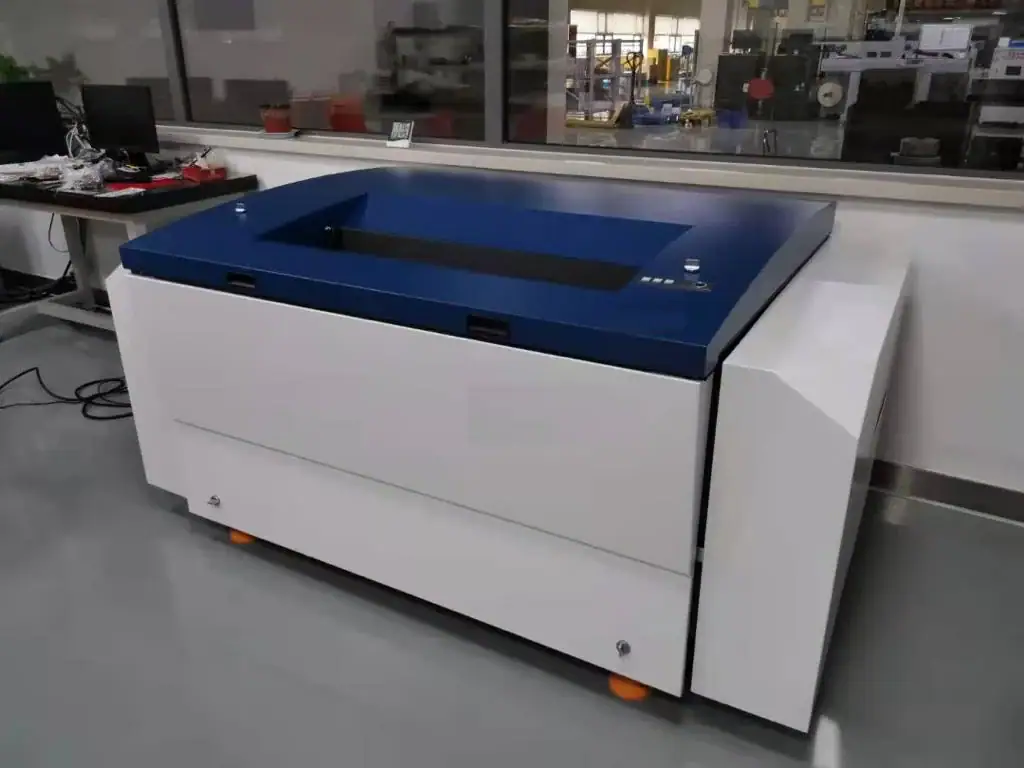
The CTP plate room at a glance
| Equipment | What it does | Needed when |
|---|---|---|
| CTP platesetter | Images the plate directly from the digital file | Always (except film-only PS work) |
| Plate processor | Develops, rinses, gums and dries the imaged plate | Thermal, CTcP and violet plates |
| Developer and plate gum | Developer removes the coating; gum protects the plate surface | Whenever you run a processor |
| Baking oven | Hardens the image for longer runs | Runs longer than the unbaked plate lasts |
| Plate punch | Punches register holes to match the press pins | Presses with pin register systems |
| Plate bender | Bends lead and tail edges to fit the clamp | Presses that need pre-bent plates |
| Vacuum exposure unit | Exposes PS plates through film | Jobs that still use film |
| Plate cleaner and correction pen | Cleans plates on press; removes unwanted image areas | Most plate rooms |
1. Start from the plate
The plate type decides most of the room. Thermal and CTcP plates need a processor and developer. Processless plates skip both and go from the platesetter to the press. PS plates need film, an exposure unit and a PS processor. If you are still choosing, our plate selection guide and types of CTP plates article compare them. Then match the platesetter to the plate: thermal plates need a thermal platesetter, CTcP plates a UV platesetter, violet plates a violet one.
2. The platesetter
The platesetter is the largest single purchase. Choose it by maximum plate size, plates per hour and laser type. A 4-up machine covers most small sheetfed presses, and an 8-up machine covers larger formats; see our 4-up vs 8-up comparison. Our CTP machine selection guide walks through the decision, and the installation checklist lists the site conditions the machine needs.
3. The plate processor and chemistry
For any plate that is developed after imaging, the processor decides whether the image the platesetter wrote is the image that reaches the press. It develops the plate at a set temperature and speed, rinses it, applies gum and dries it. Our EP processors come in 880, 1250 and 1650 mm working widths, with a 12 to 65 second processing time, 15 to 35 °C developer temperature, a 40 to 50 litre developer tank and drying from 30 to 65 °C, on 220 V at 3.5 kW. Make sure the working width covers your widest plate.
Budget for the consumables too: developer matched to your plate, replenisher, gum and plate cleaner. Daily, weekly and monthly care is set out in our plate processor maintenance checklist.
4. Baking, if your runs need it
Baking hardens the image so the plate lasts longer. On our data sheets it takes the single-layer thermal plate from at least 50,000 to at least 150,000 impressions. If most of your jobs finish well inside the unbaked run length, you may not need an oven at all. If you do, choose between vertical, drawer and rotary types; our guide to plate baking oven types compares them.
5. Punching and bending
Many sheetfed presses locate the plate on register pins and need matching holes; some also need the plate edges bent to fit the clamp. A register punch and a bender, set to the same press reference, let plates hang in register without adjustment. Our pin register and plate punching guide explains how to measure your press pattern.
6. Film exposure, if you still use it
Some plants keep a film line for PS plates beside CTP. A vacuum exposure unit holds film and plate in contact under glass and exposes them with UV light. Our PS plate exposure guide covers the routine.
Room, power and services
| Item | What to check |
|---|---|
| Power | Processors: 220 V, 3.5 kW. Baking ovens and exposure units: 380 V; ovens draw 7.5 to 18 kW |
| Light | Yellow safelight for CTcP and PS plates; thermal plates allow up to 60 minutes under white light |
| Water and drainage | Rinse water for the processor; a plan for spent developer |
| Temperature and humidity | A stable room for the platesetter, plates and chemistry |
| Compressed air | For pneumatic punches and benders |
| Floor space | Room to feed plates from platesetter to processor, and to load the oven |
| Plate storage | Flat, dry storage away from heat and light; see our plate storage guide |
Buying the line together
Some buyers assume each machine should come from a different specialist. Buying the plates and plate room equipment from one supplier means the processor is set up for the developer and plate you actually run, the oven recipe matches the plate data sheet, and one contact answers when something goes wrong. Our plate processors, baking ovens, punches, benders and exposure units are made at our own factory. Send your plate sizes, presses and daily plate volume, and we will list the machines your plate room needs. See also our plate processing equipment overview.
FAQ
What equipment do you need for CTP plate making?
A CTP platesetter, a plate processor with developer and gum (unless you run processless plates), and the plates themselves. Many plants add a baking oven for long runs, and a punch and bender if the press needs them.
Do I need a plate processor with a CTP machine?
Yes for thermal, CTcP and violet plates, which are developed after imaging. No for processless plates, which develop on press.
Is a baking oven necessary?
Only if you print runs longer than an unbaked plate lasts, or need extra resistance to wear. Our single-layer thermal plate goes from at least 50,000 to at least 150,000 impressions when baked.
What power supply does a plate room need?
Our plate processors run on 220 V at 3.5 kW, while our baking ovens and exposure units need a 380 V supply. Check each machine’s data before planning the room.
Can I still use film and PS plates beside CTP?
Yes. A vacuum exposure unit and a PS processor can run beside a CTP line, for example for jobs that still come in on film.
Disclaimer: specifications are typical values for reference only. Final specifications, price and lead time are confirmed in the quotation.


