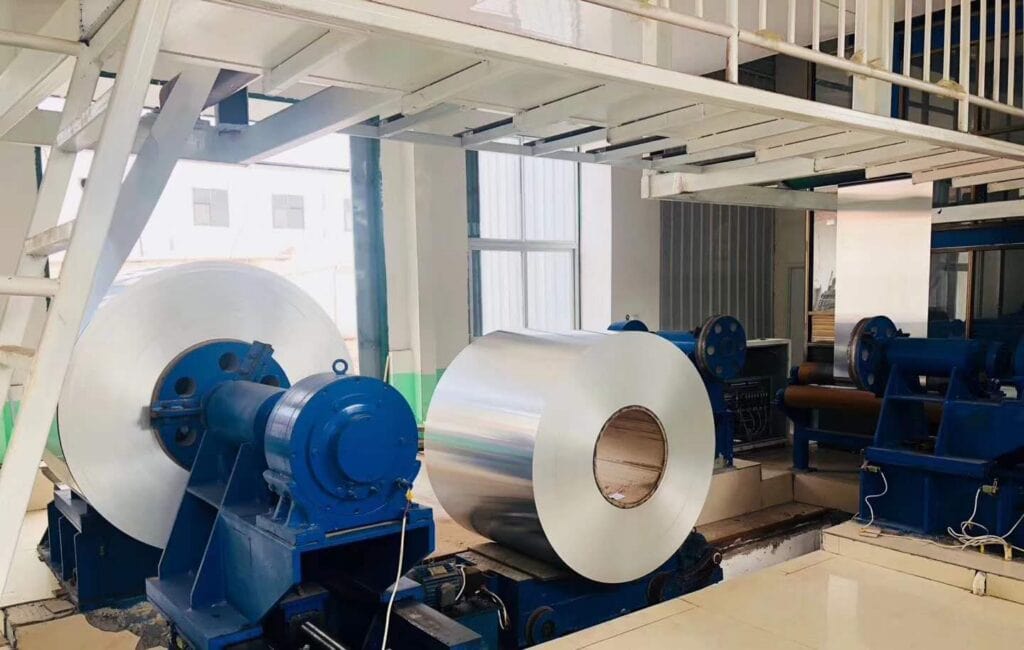
Plate Processing Equipment for Offset and Flexo Plates
Last updated: October 2026
Quick answer: Plate processing equipment is everything that turns an imaged plate into a press-ready one: the plate processor, baking oven, plate punch and plate bender for offset, and washout and drying units for flexo. CTPPress manufactures the offset line (processors, ovens, punches, benders) in our own factory; flexo plate processors are supplied with our partner factories.
Key takeaways
- After the platesetter, a plate typically goes through processing, optional baking, punching and bending.
- Our offset plate processors, baking ovens, plate punches and plate benders are made in our factory.
- Flexo plate processors (exposure, washout and drying units) are supplied with our partner factories.
- Equipment is configured for your plate sizes, plate grades and press models.
- Buying plates and processing equipment from one supplier puts one team in charge of the result.
A good plate can still print badly. If the developer drifts, the bake is uneven, the punch holes are off or the bend is not square, the press operator sees misregister, scum or a cracked plate, and the plate supplier gets the call. That is why we build the offset equipment between the platesetter and the press ourselves, and set it up for the printing plates you actually run. This hub explains each machine and links to the detailed pages.
What plate processing equipment does a plate room need?
It depends on the plates and presses. The table summarises the main machines, what they do and how we supply them.
| Equipment | Job in the workflow | Needed when | Supply |
|---|---|---|---|
| Plate processor | Develops, rinses, gums and dries imaged plates | Thermal, CTcP and PS plates | Made in our factory |
| Plate baking oven | Heat-cures the image for long runs or aggressive inks | Bakeable plates on long runs or UV inks | Made in our factory |
| Plate punch | Punches register holes matched to the press | Presses with pin register systems | Made in our factory |
| Plate bender | Bends lead and tail edges to fit the plate clamps | Presses that need pre-bent plates | Made in our factory |
| Flexo plate processor | Exposure, washout, drying and finishing of flexo plates | In-house flexo plate making | Supplied with our partner factories |
Plate processors
A printing plate processor develops the imaged plate, rinses it, applies plate gum and dries it. Its developer temperature, dwell and replenishment must match the plate grade, which is why we configure each CTP plate processor for the plates it will run, using our own CTP developer. Processless plates skip this step: processless CTP plates go straight from the platesetter to the press.
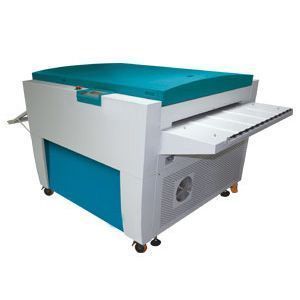
Plate baking ovens
Baking cures the image coating of bakeable plates so it resists wear and aggressive chemistry, for example on long runs or with UV inks. The plate is gummed with baking gum, passed through the oven at the temperature and time in the grade TDS, then cooled and washed. A conveyor oven keeps the heat profile even across the plate, which matters more than peak temperature. See our plate baking oven range.
Plate punches and plate benders
Most sheet-fed and web presses locate the plate with register pins and hold it with clamps. A plate punching machine cuts the register holes in exactly the press pattern; a plate bender then folds the lead and tail edges to the angle and depth the clamps need, referenced to those holes. Together they make every plate fit the cylinder the same way, which shortens makeready and protects registration. Both are made in our factory and set to your press model.
- Plate punch: hole pattern per press model; our punches are pneumatic.
- Plate bender: bend angle and lip length per press clamp; our benders are pneumatic.
- Combined punch-and-bend units save a handling step on high-volume lines.
Flexo plate processors
Flexo plates follow a different route: back exposure, main exposure, washout (solvent, water or thermal), drying, and light finishing with post-exposure. Washout is the step that differs most between systems:
- Solvent washout: the established route for many flexo plate types.
- Water washout: for water-wash plates, with no solvent recovery needed.
- Thermal processing: heat and a blotting web remove unexposed polymer without liquids.
These units are supplied with our partner factories and matched to the flexo plates we make, including solvent, water-wash and thermal-processing grades in standard gauges such as 1.14 mm, 1.70 mm and 2.84 mm. See flexo plate processors for the options.
Workflow order after imaging
A typical offset plate line runs in this order. Some plants punch before imaging when the platesetter uses register pins; tell us your current workflow and we will configure accordingly.
- Imaging on the platesetter (supplied with our partner factories; see our CTP machines).
- Processing: develop, rinse, gum, dry.
- Inspection and measurement of a control strip.
- Baking (only if needed), with baking gum before and wash-off after.
- Punching register holes.
- Bending lead and tail edges.
- Mounting on press.
Buyers often say “we only need plates,” or worry that used machines are cheaper, or about spare parts and service. All fair. If your existing line is stable, keep it and buy plates. If you are adding capacity, changing plate type or fighting registration problems, a matched line removes the arguments between processor, oven and plate suppliers. Spare parts and support are covered under our warranty and service terms.
FAQ
What equipment is needed to make printing plates?
For offset: a platesetter, a plate processor (unless you run processless plates), and depending on the press, a baking oven, plate punch and plate bender. For flexo: an imager plus exposure, washout and drying units.
What does a plate processor do?
It develops the imaged plate to remove the non-image coating, rinses it, applies plate gum and dries it, so the plate is ready for press.
Why are offset plates baked?
Baking cures the image coating so bakeable plates resist wear and aggressive inks or chemicals on long runs. It is optional and only used when the job needs it.
What is the order of plate making steps after imaging?
Usually processing, inspection, optional baking, punching, bending and mounting on press. Some plants punch before imaging if the platesetter uses register pins.
Do processless plates need a processor?
No. Processless plates are developed on press, so they skip the processor. They may still need punching and bending for the press.
Planning a plate line or replacing one machine? Request a quote and send your plate sizes and grades, daily plate volume, press models and local power supply. Or request trial plates / contact us.
Disclaimer: values on this page are typical and for reference only; final specifications, MOQ, price and lead time are subject to the grade TDS and the quotation.