
Magazine and Catalog Printing Plates
Last updated: October 2026
Quick answer: Magazine and catalog inside pages are usually printed heat-set web offset on coated paper, with covers often printed sheetfed. Positive thermal CTP plates are the main choice: single-layer for regular issues, double-layer baked for long catalog runs. Web plates must be bent and punched accurately for each press unit. We manufacture the plates, benders, punches, processors and ovens.
Key takeaways
- Inside pages on heat-set web and covers on sheetfed often need two plate sizes, sometimes two grades.
- Even colour across signatures starts with consistent imaging and processing over hundreds of plates.
- Bend accuracy and register punching matter as much as the coating on a web press.
- Long catalog runs are where a bakeable double-layer thermal plate earns its place.
A magazine issue or a retail catalog is not one job but dozens of signatures, each printed four-colour on both sides, then folded, gathered and bound. A single issue can mean hundreds of plates output in one prepress shift, and every one of them must print the same tone. This page covers magazine printing plates for heat-set web offset and the sheetfed presses that print covers and inserts. Newspapers on cold-set presses have a separate page: newspaper printing plates.
How magazines and catalogs are printed
Most publication plants combine two processes:
- Heat-set web offset for inside pages: reel-fed coated or super-calendered paper, heat-set inks dried in a hot-air dryer and set on chill rolls, then folded inline into signatures.
- Sheetfed offset for covers, gatefolds and inserts: heavier board, special colours, often UV or aqueous coating.
- Bindery follows: saddle-stitching for thinner magazines, perfect binding for thick catalogs.
The web press decides most plate requirements. Plates wrap around a plate cylinder and lock into a narrow gap, so the bend has to be accurate and the plate must not crack at the bend or lift at speed. Our web offset solution page covers the press side in more detail.
Plate challenges in heat-set web and sheetfed work
Publication printers describe a different set of problems from commercial shops:
- Colour shifts between signatures. Readers see facing pages from different plates; a small dot-gain difference between plate batches shows up as a tone jump.
- Volume against a deadline. Hundreds of plates to output before the deadline means the platesetter, processor and bender must keep pace.
- Plates crack at the bend on the web press. Wrong aluminium temper, worn bender jaws or a bend angle that does not match the cylinder lead to cracks and plate lifts.
- Register on every web unit. Accurate register depends on punch-to-image alignment and repeatable bends.
- Long catalog runs. Abrasive coated paper and long runs can wear unbaked plates before the job ends.
Buyers also tell us that web presses are too sensitive to try another plate and that new plates need new ink and water settings. A trial on one unit with your current fountain solution answers that question with real sheets instead of promises.
Recommended magazine printing plates
Our factory makes these grades in offset gauges of 0.15 mm, 0.20 mm, 0.25 mm and 0.30 mm; the web press manual specifies which one your cylinders need.
- Single-layer thermal plates: the default for regular heat-set issues with conventional heat-set inks.
- Double-layer thermal plates: bake them for long catalog runs or UV-coated sheetfed covers.
- Processless thermal plates: useful for short sheetfed cover and insert runs where removing chemistry matters.
- Single-layer CTcP plates: for plants already imaging with UV platesetters.
- Violet photopolymer plates: for plants running violet platesetters.
Job need, plate type and why
| Job need | Recommended plate type | Why |
|---|---|---|
| Monthly magazine, heat-set web, conventional inks | Single-layer thermal | Stable dots across many plates at economical cost |
| Long retail catalog run on coated paper | Double-layer thermal, baked | Baking raises wear resistance; run length per the TDS test conditions |
| Sheetfed cover with UV coating | Double-layer thermal, baked | Resists UV inks and press chemicals |
| Short insert or cover reprint | Processless thermal | No processing step; fast from file to press |
| Plant with UV or violet platesetters | CTcP or violet photopolymer | Matches the installed imaging device |
Many buyers see magazine plates as the same commodity. In practice heat-set web units, sheetfed covers and long catalog runs each need the plate grade, bending and finishing matched to them. And colour problems between signatures are often blamed on ink, when consistent plate imaging, processing and dot reproduction across hundreds of plates is the base for even colour. Calibrate the platesetter, keep developer in its window and check dot values on a control strip for every batch; that is how colour consistency is held from the first signature to the last.
Prepress equipment for publication plants
Publication plants usually need automation to keep up with plate volume. We supply automatic and 8-up thermal CTP platesetters with our partner factories. These items are our own:
- Plate processors sized to web plate widths; see plate processors.
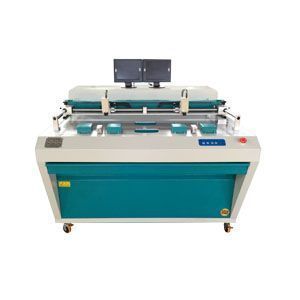
- Plate benders set to your press lock-up; ours are pneumatic and need compressed air.
- Plate punches for register holes that match your press pins; also pneumatic.
- Baking ovens for double-layer plates on long runs.
What to send for a quote
- Web press and sheetfed press models, plate sizes and gauges.
- Bend and punch drawings, or a used plate we can measure.
- Platesetter type and model.
- Paper grades, ink type (heat-set, UV) and typical run lengths.
- Plates per issue and issues per month.
MOQ, price and lead time are confirmed in the quotation.
FAQ
What plates are used for magazine printing?
Mostly positive thermal CTP plates, single-layer for regular heat-set issues and double-layer baked for long runs or UV covers. Plants with UV or violet platesetters use CTcP or violet photopolymer plates.
Which plates suit heat-set web offset presses?
Thermal plates in the gauge your web press specifies, with an aluminium temper that bends cleanly. Long catalog runs on heat-set web benefit from a bakeable double-layer grade.
How are catalog covers and inside pages printed?
Inside pages usually run heat-set web offset on coated paper; covers are often printed sheetfed on heavier stock, sometimes with UV coating. The two may need different plate sizes and grades.
Do web offset plates need to be bent and punched?
Yes. Web plates are punched for register and bent to fit the plate cylinder lock-up. Accurate punching and bending keep register on every unit and stop plates cracking at the bend.
Should magazine plates be baked for long runs?
For long catalog runs or UV inks, baking a double-layer thermal plate raises wear and chemical resistance. Regular issues with heat-set inks usually run unbaked.
Planning plates for your next issue or catalog? Request a quote — send press models, plate sizes, bend and punch details, platesetter type and plates per issue. Or request trial plates / contact us.
Disclaimer: values on this page are typical and for reference only; final specifications, MOQ, price and lead time are subject to the grade TDS and the quotation.

