
Flexible Packaging Printing Plates: Flexo Plates for Film, Foil and Pouches
Last updated: October 2026
Quick answer: Flexible packaging — pouches, wrappers, bags and lidding film — is printed mainly by wide-web flexo on central impression (CI) presses or by gravure. For flexo, converters use photopolymer plates, usually digital LAMS plates in 1.14 mm or 1.70 mm gauge, chosen to resist the ink system. We supply flexo plates; we do not supply gravure cylinders.
Key takeaways
- Wide-web flexo on film needs plates with tight thickness tolerance across large formats, because uneven plates show as uneven impression.
- Match the plate polymer to the ink: solvent-based inks, water-based inks and UV inks each stress the plate differently.
- Digital flexo plates are the usual choice for process-colour pouches; analog plates still suit line work and whites.
- Gravure is a separate process with engraved cylinders — we are honest that this is outside our range.
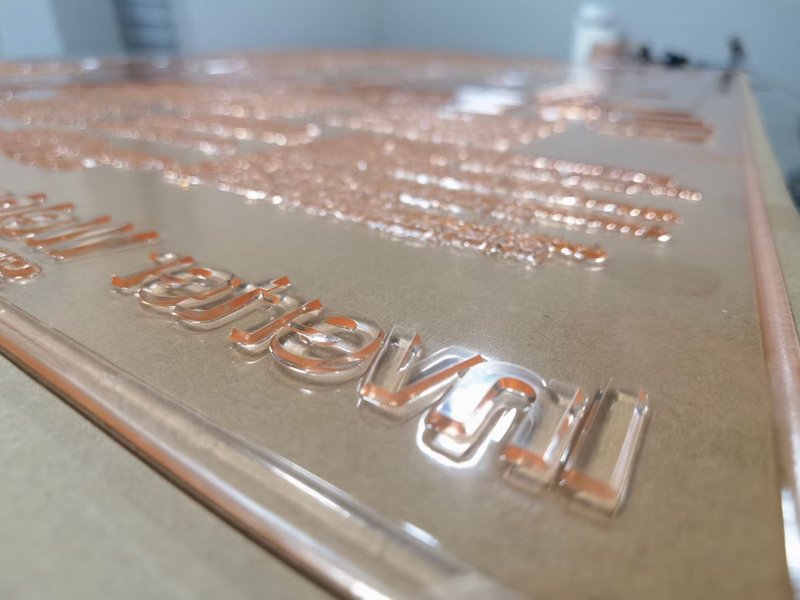
Snack bags, coffee pouches, frozen-food wrappers, detergent refills and shrink sleeves all start as printed reels of film. The converter prints the reel, laminates it, slits it and sends it to a bag maker or a form-fill-seal line. Unlike paper, film does not absorb ink, so every plate defect — a thick spot, a swollen edge, a filled-in highlight — appears directly in the print. This page covers the flexo plates for flexible packaging that we manufacture — the flexographic plates for plastic film, foil and paper laminates that buyers also call pouch printing plates — where they fit, and where they do not.
How flexible packaging is printed: wide-web flexo and gravure
Wide-web flexo presses, mostly of the central impression type, print six to ten colours around one large impression drum, which keeps register stable on stretchy film. Plates are mounted on sleeves or cylinders with cushion tape. Typical in the industry, 1.14 mm is the most common plate gauge on CI presses, with 1.70 mm used on some presses and for certain jobs.
Gravure uses engraved metal cylinders instead of plates. It is still widely used for very long, unchanging runs and some premium work. We do not supply gravure cylinders or engraving — if your job is gravure, we are not the right supplier for the image carrier, though we are happy to discuss whether a flexo route fits.
Many converters run both. Flexo is typically chosen for shorter runs, frequent artwork changes and lower prepress cost per design; gravure for the longest, most stable designs. The old belief that gravure is the only way to get high quality on film no longer holds for many jobs: wide-web flexo with digital plates covers many pouch and wrapper jobs, while gravure still suits very long, unchanging runs. When a brand owner says “our customers still ask for gravure”, a side-by-side proof usually settles the question.
Plate challenges on film and foil
- Plate thickness varies across the web. Wide web flexo plates are large sheets, and a wide plate that is thicker on one side needs extra impression on that side; the result is heavy dot gain on one edge and missing highlights on the other.
- Solvent ink makes the plate swell. Alcohol- and ester-based solvent inks, and aggressive press-side cleaners, can swell a plate polymer that was not designed for them, thickening type and lines through the run.
- Dirty print and dot bridging in highlights. Fast-drying solvent inks build up between small dots, especially in reverse-printed vignettes.
- Large, costly plates. Big plates are expensive to waste, so remakes from mounting errors or plate damage hurt.
- Reverse printing and white. Most laminated film is reverse printed with an opaque white backing layer; solid whites need even ink lay-down without pinholes.
Recommended flexo plates for flexible packaging
| Job need | Recommended plate type | Why |
|---|---|---|
| Process-colour pouches, wrappers, fine vignettes | Digital flexo plates (LAMS), 1.14 mm | Mask ablated by a flexo imager gives consistent small dots and fine reverse type |
| Line work, text, solid whites and spot colours | Analog flexo plates | Lower plate cost; film-negative exposure is fine for solids and line jobs |
| Converters wanting a dry, faster plate room | Thermal-processing flexo plates | No solvent washout or long drying; check ink compatibility on the TDS |
| Water-based inks on paper-film or PE bags | Digital or analog plate grade rated for water-based inks | Ink resistance differs by grade; we confirm against your ink |
| Very long, unchanging runs | Gravure cylinders | Not supplied by us — we say so plainly |
All flexo plates in this table are made in our factory, as sheets cut to your plate size. We can also supply sleeves, mounting tape and anilox rolls together with the plates. For gauge selection across presses, see our flexo plate thickness guide.
Matching the plate to the ink system
A frequent mistake is assuming that any flexo plate works with any ink. In reality the plate polymer must match the ink system — solvent, water-based or UV — so confirm resistance on the grade TDS before running.
- Solvent-based inks (the majority on film): choose a grade rated for solvent ink, and keep press cleaners within what the TDS allows.
- Water-based inks (paper-film laminates, some PE bags): choose a grade rated for water-based ink; some plates designed for solvent work behave differently here.
- UV and EB inks (some shrink sleeves and labels-on-reel): confirm UV compatibility on the TDS.
Switching plates means a new press fingerprint — a fair objection. We suggest running a fingerprint or trial on one press and one ink set before converting your whole plant; our plate test protocol describes a simple structure.
Plate making for wide-web flexo
Wide-web converters and their trade shops need a plate room that handles large formats:
- Imaging digital plates on a flexo CTP imager sized for your largest plate.
- Exposure, washout and drying in matched flexo plate processors — solvent, water-wash or thermal, according to plate type.
- Post-exposure and light finishing for a non-tacky, durable surface.
- Mounting on sleeves with the right cushion tape — see our flexo plate mounting guide.
Flexo imagers and plate making machines are supplied with our partner factories. Imaging options such as screening and dot shape depend on the imager and plate combination — we confirm them with the machine specification sheet.
What to send for a flexible packaging plate quote
- Press type (CI or stack), print width and repeat range.
- Plate gauge and largest plate size.
- Ink system — solvent, water-based or UV — and press cleaners.
- Substrates: BOPP, PET, PE, foil or paper laminates; surface or reverse printing.
- How you make plates today: in-house or trade shop, digital or analog, and monthly area.
MOQ, price and lead time are confirmed in the quotation.
FAQ
What plates are used in flexible packaging printing?
Wide-web flexo printers use photopolymer flexo plates — mostly digital LAMS plates for process work and analog plates for line work and whites. Gravure printers use engraved cylinders instead of plates.
Is flexo or gravure better for flexible packaging?
Neither is better for every job. Flexo with digital plates suits shorter runs and frequent artwork changes at lower prepress cost per design. Gravure suits very long, unchanging runs. Many converters run both.
What plate thickness is used on wide web CI flexo presses?
Typical in the industry, 1.14 mm is the most common gauge on wide-web central impression presses, with 1.70 mm on some presses and jobs. Follow your press and mounting setup.
Which flexo plates resist solvent-based inks?
Plates whose grade TDS lists solvent-ink resistance. Resistance depends on the polymer, not on whether the plate is digital or analog. Send us your ink and cleaner details and we will recommend a grade and a trial.
Do you supply gravure cylinders for flexible packaging?
No. We manufacture flexo plates and offset plates; we do not supply gravure cylinders or engraving services.
Printing film or foil on wide-web flexo? Request a quote — include press type, plate gauge and size, ink system and substrates. Or request trial plates / contact us.
Disclaimer: values on this page are typical and for reference only; final specifications, MOQ, price and lead time are subject to the grade TDS and the quotation.

