
CTP Plates
Last updated: October 2026
Quick answer: A CTP plate is an aluminium offset printing plate imaged directly by a platesetter, skipping film. CTPPress manufactures thermal CTP plate (830 nm, in single-layer and double-layer grades), processless thermal CTP plate (no developer), CTcP plate (for UV platesetters) and violet plate. Trial plates available for press testing.
CTPPress is a CTP plate manufacturer in China. We coat and finish CTP plate at our own production line and supply printers, packaging plants and consumables dealers worldwide. Every order ships with a TDS, and new customers test a free sample on their own press before ordering.
- Own coating line for thermal, processless, CTcP and violet grades
- Trial plates for press testing before you order
- Free samples from current production
- Custom sizes cut to your press and punch system
What are CTP plates?
CTP means computer-to-plate: the printing plate is imaged directly from the computer, with no film negative in between. A CTP plate is a grained, anodised aluminium sheet (about 0.15 mm to 0.40 mm thick) coated with a light- or heat-sensitive layer. The platesetter writes the image onto the coating; after processing — or straight to press with a processless grade — the plate is ready for the offset press.
Removing the film step gives sharper dots, more stable colour and faster make-ready than conventional PS plate workflow. That is why nearly all new offset presses and prepress departments run CTP today.
CTP plate types: thermal, processless, CTcP and violet
| Grade | Imaging | Processing | Best for |
|---|---|---|---|
| Single-layer thermal CTP plate | 830 nm thermal laser | Developer processor | Everyday commercial offset |
| Double-layer thermal CTP plate | 830 nm thermal laser | Developer processor | Long runs, UV ink, abrasive stock |
| Processless thermal CTP plate | 830 nm thermal laser | None — on-press clean-out | No processor, low chemistry handling |
| CTcP plate | UV light | Developer processor | UV platesetters / CTcP machines |
| Violet photopolymer plate | Violet laser | Developer processor | Violet platesetters |
We do not currently supply a double-layer CTcP grade. If you run UV equipment and need longer runs, tell us your volume and we will recommend the best fit.
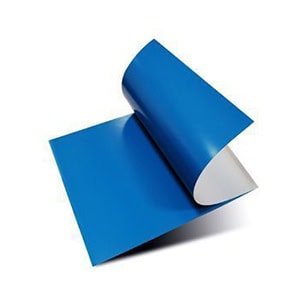
Single-layer and double-layer thermal CTP plate
Thermal CTP plate is imaged by an 830 nm infrared laser and handled under normal room light. The single-layer grade covers everyday commercial work. The double-layer grade adds a second coating layer for longer runs and harsher conditions, including UV-curing inks and abrasive substrates. We recommend the double-layer grade for long runs (confirm run expectations against the TDS and your press conditions).
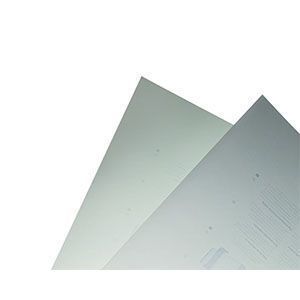
Processless thermal CTP plate
Our processless grade needs no processor and no developer. After imaging, the plate goes straight to the press and the fountain solution removes the non-image coating during startup. It saves chemistry, waste handling and plate-room space — the simplest workflow if you want to eliminate the processor entirely. Details on the processless CTP plate page. See our processless vs processed comparison for the trade-offs.
CTcP plate
CTcP plate is exposed by UV light rather than an infrared laser, so it runs on existing UV platesetters (CTcP machines). It is the natural upgrade path for shops moving from film to CTP without replacing exposure equipment. Our single-layer CTcP plate suits standard commercial work on UV equipment.
Violet photopolymer plate
For violet platesetters we manufacture a violet photopolymer grade. Violet systems are less common today, but we keep the grade in production for installed bases — see violet CTP plates. Confirm your platesetter model before ordering.
Which CTP plate works with your platesetter?
The plate must match the imaging wavelength of your platesetter, not its brand:
- 830 nm thermal platesetter (any brand — our single-layer, double-layer or processless thermal CTP plate
- UV / CTcP machine — CTcP plate
- violet platesetter — violet photopolymer plate
See the CTP compatibility matrix for exposure settings by platesetter model. If your machine is not listed, send the model name and we confirm the recommended energy and processing conditions.
Sizes and thicknesses
CTP plate comes in standard thicknesses from 0.15 mm to 0.40 mm (0.15, 0.20, 0.25, 0.30 and 0.40 mm are the usual choices). Length and width are cut to order for your press format, corner type and punch register. Include your plate size in the quote request — or send a photo of a used plate — and we supply plates that drop straight into your pressroom.
Run length, resolution and ink compatibility
Three performance numbers matter when you compare CTP plate suppliers:
- Run length: single-layer thermal grades typically hold tens of thousands of impressions; the double-layer grade and baked plates go well beyond that. We state run length per grade in the TDS, always with the ink, paper and test conditions we used.
- Resolution and dot range: our plates support the fine screens used in commercial and packaging work. If you print 200 lpi or higher, tell us and we will point you to the right grade.
- Ink compatibility: conventional oil-based inks run on every grade. For UV and LED-UV inks we recommend the double-layer grade and a press test before committing to long runs. For coldset newspaper work, tell us your press speed and we will suggest the right grade.
Buyers sometimes assume any CTP plate that fits the platesetter will print the same. In practice, coating quality, exposure latitude and processing control decide whether your dots stay stable across the run and across batches. Batch consistency is exactly what our in-house testing checks before every shipment leaves the factory.
Ordering: MOQ, samples and lead time
- Minimum order: confirmed per size and thickness in the quotation.
- Trial plates: available from current production; you cover freight. Most customers run the trial plate on press for a few days first.
- Lead time: confirmed per order, based on quantity.
- Packaging: interleaved plates in export cartons on pallets, for sea or air freight.
CTP plate price factors
CTP plate is quoted per size, thickness and grade rather than per kilo, because coating chemistry differs between thermal, CTcP, violet and processless types. The quote depends on plate type, sheet dimensions, thickness, monthly volume and destination port. Use our plate cost calculator to estimate cost per job, then send your size list and monthly usage for a firm price.
FAQ
What are CTP plates?
CTP (computer-to-plate) plates are aluminium printing plates imaged directly by a platesetter, with no film step. A thermal CTP plate is imaged by an 830 nm laser; a CTcP plate is exposed by UV light; a processless plate needs no developer after imaging.
What is the difference between thermal and violet CTP plates?
Thermal CTP plate is imaged by an 830 nm infrared laser and can be handled under room light. Violet CTP plate is imaged by a violet laser and usually needs yellow safelight handling. They are not interchangeable — the plate must match your platesetter.
What size CTP plate do I need?
The plate size is set by your press format and punch system. Standard thicknesses run from 0.15 mm to 0.40 mm, and sheets are cut to your exact dimensions. Send your current plate size or press model and we will confirm.
How long do CTP plates last on press?
It depends on the grade, ink, paper and whether the plate is baked. Single-layer thermal grades typically run tens of thousands of impressions; double-layer and baked plates run considerably longer. Run length per grade is stated in the TDS with its test conditions.
Are CTP plates compatible with my platesetter?
Any 830 nm thermal platesetter works with thermal CTP plate regardless of brand. What matters is the imaging wavelength, not the machine brand. Tell us your platesetter model and we confirm the recommended exposure energy.
Can CTP plates be used with UV ink?
Yes, with the right grade. We recommend our double-layer grade for UV and LED-UV work, tested on your press before a full run.
Do you ship CTP plates to my country?
Yes, we export worldwide by sea and air. Share your nearest port and we include freight in the quote.
Ready to test a plate? Request free samples or request a quote — send your platesetter model, ink type and plate size, and we will reply with a recommendation, price and lead time.
Disclaimer: figures such as MOQ, lead time, thickness ranges and run length are typical values for reference; confirm exact specifications in the TDS or quotation for your order.

