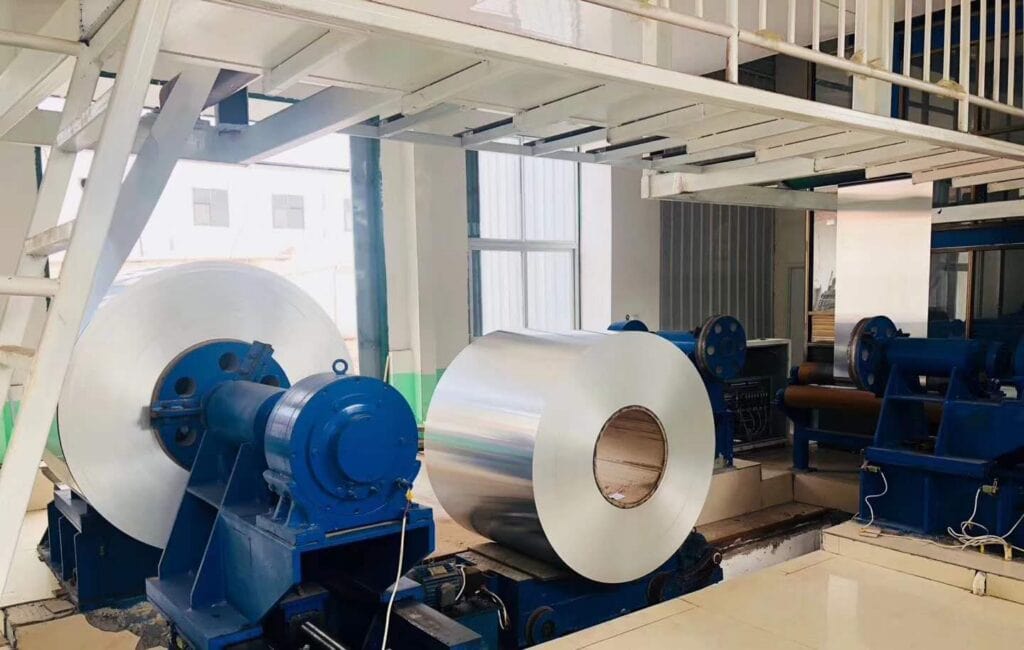
Book Printing Plates
Last updated: October 2026
Quick answer: Book printers mostly print one-colour text pages on uncoated paper, plus four-colour covers. Single-layer CTcP and single-layer thermal plates are the usual choice for text pages; processless thermal suits short runs; positive PS plates remain for film workflows; polyester plates fit small-format, short one-colour work. Cost per title and sharp type decide the grade.
Key takeaways
- Book work is plate-hungry: many signatures per title, mostly black text.
- Uncoated paper sheds dust and fibre that abrades the plate, so wear matters even on modest runs.
- CTcP is popular with book plants that image on UV platesetters; thermal suits plants on 830 nm units.
- Covers are a separate job: four-colour, often laminated or UV-varnished, usually sheetfed.
A 320-page novel printed in 16-page signatures needs 20 signatures and, printed both sides on a sheetfed press, 40 black plates before the cover is even considered. Textbooks, religious books, exercise books and children’s titles add colour sections. Multiply that by dozens of titles a month and the plate becomes one of the largest consumable costs in a book plant. This page covers book printing plates for text pages and covers, and the platemaking room behind them. For short-run commercial work, see commercial offset printing plates.
What book printing needs from a plate
Text pages look simple, but they are demanding in their own way:
- Sharp small type: 6–8 pt serif fonts, footnotes and fine rules must print without broken strokes or filled counters.
- Even solid blacks: full-page images and dark backgrounds must not show mottle.
- Wear resistance on uncoated paper: book wove and offset papers shed dust and fibre onto the blanket and plate.
- Low cost per plate: because plate counts per title are high and runs are often short.
Plate pain points for book printers
Book printers bring us three recurring complaints. First, plate cost eats the margin on short runs: a title of a few hundred copies still needs a full set of text plates. Second, paper dust wears the plate on uncoated stock, so image areas weaken at the edges of type before the run is finished. Third, there are too many plates for one title, and prepress becomes the bottleneck when a reprint order arrives with a tight delivery date.
Many printers also feel that digital printing is taking our short runs. That is partly true for very short runs, but the common belief that short book runs make offset plates no longer worth it is too simple. With the right plate grade and platemaking workflow, offset stays competitive for many book runs, especially when cost per plate and makeready time are controlled. Another belief is that book text pages are simple, so any cheap plate will do. In reality fine serif type, solid blacks and abrasive uncoated paper need a plate with clean imaging and steady wear; cheap plates give broken type and remakes.
Recommended book printing plates
We manufacture all of these grades in our own factory, in offset gauges of 0.15 mm, 0.20 mm, 0.25 mm and 0.30 mm, cut to your press size.
- Single-layer CTcP plates: for plants with UV platesetters; economical for high-volume black text. We do not supply double-layer CTcP plates.
- Single-layer thermal plates: for plants on 830 nm thermal platesetters; clean type and a stable processing window.
- Processless thermal plates: for short runs and reprints where skipping the processor saves time and chemistry.
- Positive PS plates: for book plants still using film and a vacuum frame. We do not supply negative PS plates.
- Polyester offset plates: for small-format presses printing short one-colour work such as forms or booklets; confirm imaging compatibility with us first.
Job need, plate type and why
| Job need | Recommended plate type | Why |
|---|---|---|
| High-volume black text, UV platesetter | Single-layer CTcP | Economical per plate; images with UV exposure on the existing device |
| Black text and colour sections, thermal platesetter | Single-layer thermal | Sharp type and stable dots at 830 nm imaging |
| Short reprint of an existing title | Processless thermal | No processor step; fast from stored file to press |
| Film-based workflow, limited capital | Positive PS | Uses existing film and vacuum frame |
| Small-format one-colour booklets and forms | Polyester plates | Low cost for short runs on small presses |
| Laminated or UV-varnished four-colour cover | Double-layer thermal, baked | Resists UV inks and coatings on cover runs |
Equipment for a book plant platemaking room
Because plate counts are high, a book plant benefits from a platesetter with an autoloader and an inline processor. We supply UV CTcP platesetters and thermal platesetters with our partner factories. From our own factory:
- Plate processors with conveyor speed and developer temperature set to the grade TDS.
- CTP developer matched to our CTcP and thermal plates, so you are not mixing suppliers’ chemistry.
- Plate punches (pneumatic) for fast register on perfecting presses.
- Plate benders (pneumatic) if you print text on a book web press.
Quick turnaround for reprints comes from keeping approved files and plate settings together, so a reprint means re-imaging, not re-proofing.
What to send for a quote
- Press models, plate sizes and gauges (text press and cover press).
- Platesetter type: UV, thermal or film.
- Typical titles per month, signatures per title and run lengths.
- Paper types (uncoated book wove, coated art for covers) and inks.
- Current developer and processor.
MOQ, price and lead time are confirmed in the quotation. Our plate cost calculator helps estimate cost per title before you ask.
FAQ
What plates are used for book printing?
Mainly single-layer CTcP and single-layer thermal plates for text pages, double-layer thermal for UV-varnished covers, positive PS plates in film workflows and polyester plates for small-format one-colour work.
Are CTcP plates good for book printers?
Yes, if the plant images on a UV platesetter. Single-layer CTcP plates give clean text at economical cost per plate. Wear on uncoated paper should be checked against the grade TDS for your run lengths.
Can book printers still use PS plates?
Yes. Positive PS plates still work well with film and a vacuum frame and keep cost low. We supply positive PS plates only, not negative PS plates.
How can book printers reduce plate cost per title?
Choose a grade matched to run length, keep processing in its window to avoid remakes, use processless plates for short reprints and impose more pages per plate where the press allows.
Are polyester plates suitable for short book runs?
For small-format presses printing short one-colour runs, such as booklets and forms, polyester plates are a low-cost option. For larger presses or colour work, aluminium plates are the better choice.
Want lower plate cost per title? Request a quote — send press models, plate sizes, platesetter type, titles and signatures per month. Or request trial plates / contact us.
Disclaimer: values on this page are typical and for reference only; final specifications, MOQ, price and lead time are subject to the grade TDS and the quotation.