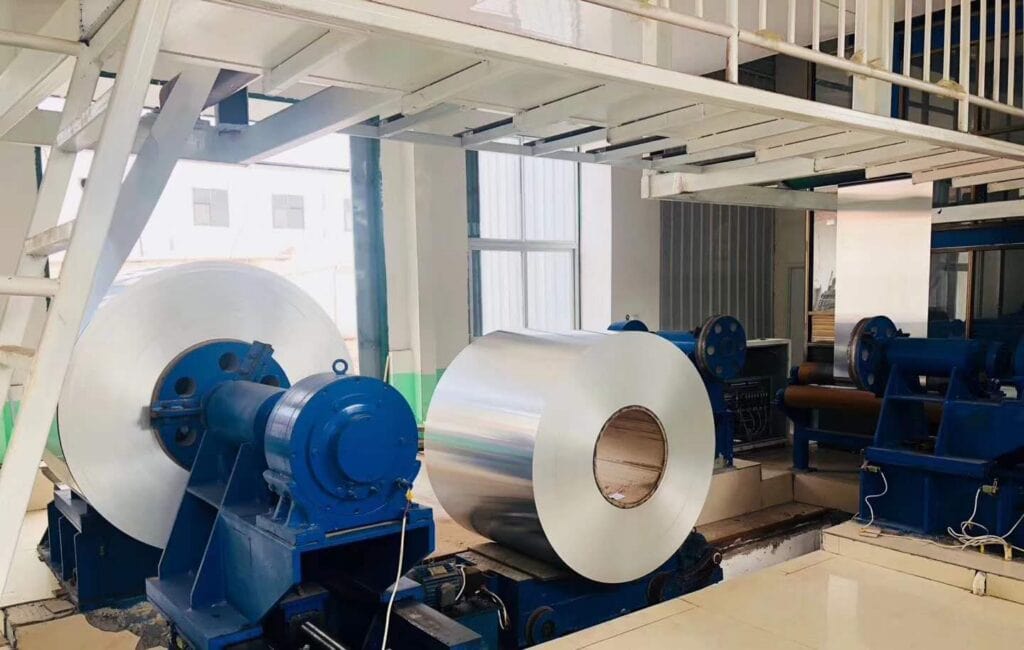
Plate Baking Machine
Last updated: October 2026
Quick answer: A plate baking machine heat-hardens a developed offset plate in an oven at roughly 210–260 °C, multiplying its run length — the cheap, reliable way to survive long runs and abrasive substrates. CTPPress baking ovens are made at our factory in drawer and rotary configurations, sized to your plate format.
What is plate baking?
After development, the plate’s coating is still thermally active. Baking the plate in a controlled oven cross-links the coating further: the plate becomes harder, more solvent-resistant and dramatically more wear-resistant on press. A few extra minutes per plate buys a large multiple in run length — which is why baking survives in newspaper, packaging and book plants with long, abrasive runs.
Oven types and temperature
Two configurations cover most plants: drawer ovens, where plates lie flat in pull-out trays, and rotary ovens, where plates circulate for continuous flow. Typical processing is around 210–260 °C for a set dwell time, with the exact recipe depending on the plate grade — some coatings reward higher heat, some punish it. We confirm the recipe for your grade; baking with the wrong temperature does more harm than good, so the first runs should follow the TDS values.

When to bake
Buyers sometimes call baking an outdated extra step. The arithmetic says otherwise: if your plates die before long runs finish, baking is the cheapest run-length multiplier in the plate room — cheaper than double-layer plates alone, and combinable with them. Skip it for short-run work; use it where run length, abrasive paper or UV ink punishes the plate. Pair it with our double-layer thermal plate for the hardest jobs, and see the processor and punching machine for the rest of the line.
Tell us your plate size and shift volume for the right configuration — request a quote.
FAQ
Does baking work with every plate?
Most thermal grades bake well; the recipe is grade-specific. We confirm suitability and temperature for your plate.
Drawer or rotary oven?
Drawer suits batch operation; rotary suits continuous flow at higher volume. We recommend from your plate count per shift.
Disclaimer: temperatures and recipes are typical; the TDS for your grade governs.