
Web Offset Printing Plates for Heat-Set and Cold-Set Presses
Last updated: October 2026
Quick answer: Web offset printing plates are CTP plates cut to the web press size, then punched and bent to fit the press lockup. Cold-set newspaper presses favour fast plate output, often with thermal, violet, CTcP or processless plates. Heat-set magazine and catalog presses favour durable thermal plates, sometimes baked. We manufacture the plates, punches, benders and processors; platesetters come from our partner factories.
Key takeaways
- On a web press the plate is held by bent edges in a narrow cylinder gap, so bend accuracy decides whether it stays put at speed.
- Cold-set work is deadline-driven; heat-set work demands durability and fine image quality.
- Plate size, gauge and bend profile come from your press maker’s specification.
- Our pneumatic punches and benders are configured to your press models.
Web presses print from a continuous paper reel at high speed, for newspapers, magazines, catalogs, inserts and books. The plate on a web cylinder works under different conditions from a plate clamped in a sheetfed press, and many plate problems on web presses start in the plate room, not on the press. This page explains how to set up web offset plate making and which plates and equipment we supply for it.
Heat-set and cold-set web offset: what changes for the plate
| Factor | Cold-set web | Heat-set web |
|---|---|---|
| Typical products | Newspapers, books, directories, some inserts | Magazines, catalogs, brochures, quality inserts |
| Paper | Mostly uncoated newsprint and book paper | Coated and uncoated papers dried in a hot-air dryer |
| Main plate-room pressure | Many plates in a short window before press start | Long runs and fine screens over many signatures |
| Plate priorities | Fast, simple output and easy processing | Durability, fine dot reproduction, stable tone |
| Usual plate types | Thermal, violet, CTcP or processless | Single- or double-layer thermal, baked where runs are very long |
For cold-set newspaper printing, all plates must be ready before the press deadline. A missed plate holds up the whole edition, so the plate room is designed around throughput and reliability. For heat-set work, the job is to keep the image sharp and consistent through long runs and frequent blanket washes. Our application pages on newspaper printing, magazine and catalog printing and book printing go deeper into each.
Plate sizes and lockup on web presses
Web plates are sized by the press: single-page, double-page (panorama) and wider plates are all common, depending on cylinder width and circumference. Gauge also follows the press; offset plates are made in 0.15, 0.20, 0.25 and 0.30 mm, and your press maker specifies which one. Send us the press model and plate drawing and we cut to that size, using our custom plate sizes service where it is not a stock size.
Most web presses lock the plate by sliding its bent leading and trailing edges into a narrow gap in the plate cylinder. If the bend angle or length is wrong, the plate does not sit right in the cylinder gap, register drifts, or the plate can lift at speed. That is why bending is a core plate-room step for web printers, not an optional extra.
Choosing web offset printing plates
- Thermal CTP plates imaged at 830 nm suit both cold-set and heat-set work. A single-layer thermal plate covers most web jobs; a double-layer grade can be baked for very long heat-set runs.
- Violet CTP plates fit newspaper plate rooms that already run violet platesetters for fast output.
- CTcP plates suit cold-set printers with UV platesetters.
- Processless plates cut out the processor for cold-set plants that want fewer steps; confirm suitability for your run length in the grade TDS.
Plate run length depends on the grade, paper, ink and press conditions. We do not quote a single figure; see the grade TDS and its test conditions, and run a trial on your press.
Punching and bending for web press lockup
A common web press complaint is that plates crack at the bend during the run. Causes include a bend that is too sharp, inconsistent bending by hand, plate gauge or temper that does not match the press, and bending across a scratch or kink. Consistent mechanical bending removes the biggest variable.
- Punch first. Our plate punches place register holes or slots to your press pattern so the image sits in the same place on every plate.
- Bend to the press profile. Our plate benders bend leading and trailing edges to the angle and length your press needs, the same way every time.
- Handle bent plates carefully. Stack and carry bent plates so the bends are not knocked out of shape before mounting.
Both machines are made in our factory and are pneumatic, so the plate room needs compressed air. If your press needs a special bend profile, send the press model and a drawing of the bent plate and we configure the bender to it. Some plants combine punching and bending in one station; we can advise on the layout.
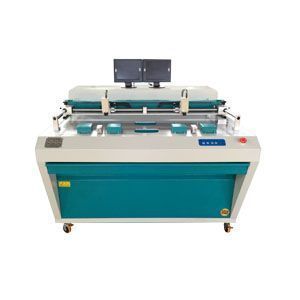
Plate room configurations for web printers
| Web printer type | Plates | Imaging (partner-supplied) | Processing and finishing (our make) |
|---|---|---|---|
| Cold-set newspaper plant | Thermal, violet or CTcP plates in web sizes | Thermal, violet or UV platesetter with automatic plate loading | Processor with replenishment, web punch and bender |
| Cold-set plant reducing chemistry | Processless thermal plates | Thermal platesetter | Punch and bender, no processor |
| Heat-set magazine and catalog printer | Single-layer thermal plates | Thermal platesetter | Processor, punch and bender |
| Heat-set printer with very long runs | Double-layer thermal plates, baked | Thermal platesetter | Processor, baking oven, punch and bender |
| Book printer on web presses | Single-layer thermal or CTcP plates | Thermal or UV platesetter | Processor, punch and bender |
Platesetters, including thermal and violet CTP machines, are supplied with our partner factories. If you already have a platesetter from another source, we match plates to it; our CTP compatibility notes explain how. Long-run heat-set plants can add a plate baking oven, and every chemistry workflow needs a matched plate processor.
How we support web offset printers
Changing plates is risky on a daily newspaper, so we suggest a staged trial: image and bend sample plates, check fit on one press unit, then run a full edition. We support the trial with technical support on processing and bending settings. Dealers and printer groups can also order plates under their own brand through OEM printing plates. To compare other buyer types, return to prepress workflow solutions.
FAQ
What plates are used for web offset printing?
Web offset printers mostly use CTP plates: thermal plates for heat-set and cold-set work, violet or CTcP plates in many newspaper plants, and processless plates where printers want to remove the processor. The plate is cut to the press size, then punched and bent for lockup.
What is the difference between heat-set and cold-set web offset plates?
The plate types overlap, but priorities differ. Cold-set newspaper work needs fast, simple output of many plates before a deadline. Heat-set magazine and catalog work needs plate durability and fine dot reproduction over long runs, and very long runs may use a baked double-layer thermal plate.
Why do web offset plates crack at the bend?
Common causes are a bend that is too sharp, uneven manual bending, a plate gauge or temper that does not match the press, and damage near the bend line. A mechanical plate bender set to the press profile, and careful handling of bent plates, removes most of these causes.
Do web offset plates need punching and bending?
Yes, on most web presses. Punching places register holes for the press pins, and bending forms the edges that lock into the cylinder gap. Our pneumatic punches and benders are configured to your press models.
Can processless plates be used on newspaper presses?
Yes, many cold-set plants use processless thermal plates to remove the processor and developer. They need a thermal platesetter, and suitability for your run length should be checked in the grade TDS and on a trial.
What should I send for a web offset plate quotation?
Send the press make and model, plate size and gauge, a drawing of the punch pattern and bend profile, your platesetter type, cold-set or heat-set work, and monthly plate consumption by size.
Setting up plates for a web press? Request a quote — send the press model, plate size, punch and bend drawing, platesetter type and monthly volume. Or request trial plates / contact us.
Disclaimer: values on this page are typical and for reference only; final specifications, MOQ, price and lead time are subject to the grade TDS and the quotation.

