Double-Layer Thermal CTP Plate
Last updated: October 2026
Quick answer: A double layer thermal CTP plate has two coatings on grained, anodised aluminium: a chemically resistant base layer and an 830 nm heat-sensitive imaging layer on top. It processes in a standard positive thermal processor and resists UV ink, UV washes and abrasive stock far better than a single-layer plate. We manufacture it for UV and LED-UV work, long runs and packaging board.
Key takeaways
- The base layer is the reason the plate resists UV ink and aggressive washes; the top layer handles imaging.
- Choose it for UV or LED-UV ink, hybrid ink, long runs and abrasive board, not for everyday short-run text work.
- Baking adds wear resistance for the longest runs; it complements the coating design rather than replacing it.
- It images in any 830 nm thermal platesetter and normally runs in a positive thermal processor; confirm developer settings with the TDS.
- Run length and processing values are stated in the grade TDS, available on request with the quotation.
The overview on our thermal CTP plates page explains the basic choice between grades. This page is for buyers who already know they need more resistance than a single-layer thermal CTP plate gives: what the second layer actually does, how to process and bake the plate, and how to tell whether the extra cost will pay back on your jobs.
What is a double-layer thermal CTP plate?
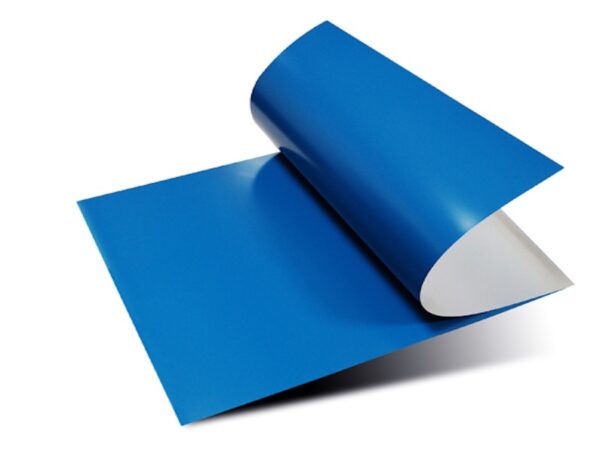
It is a positive thermal plate with two coatings instead of one. The lower coating is a polymer chosen for chemical and solvent resistance. The upper coating holds the infrared-absorbing chemistry that reacts to the 830 nm laser. Where the laser hits, both layers clear in the developer down to the hydrophilic aluminium; where it does not, both layers stay and form the image.
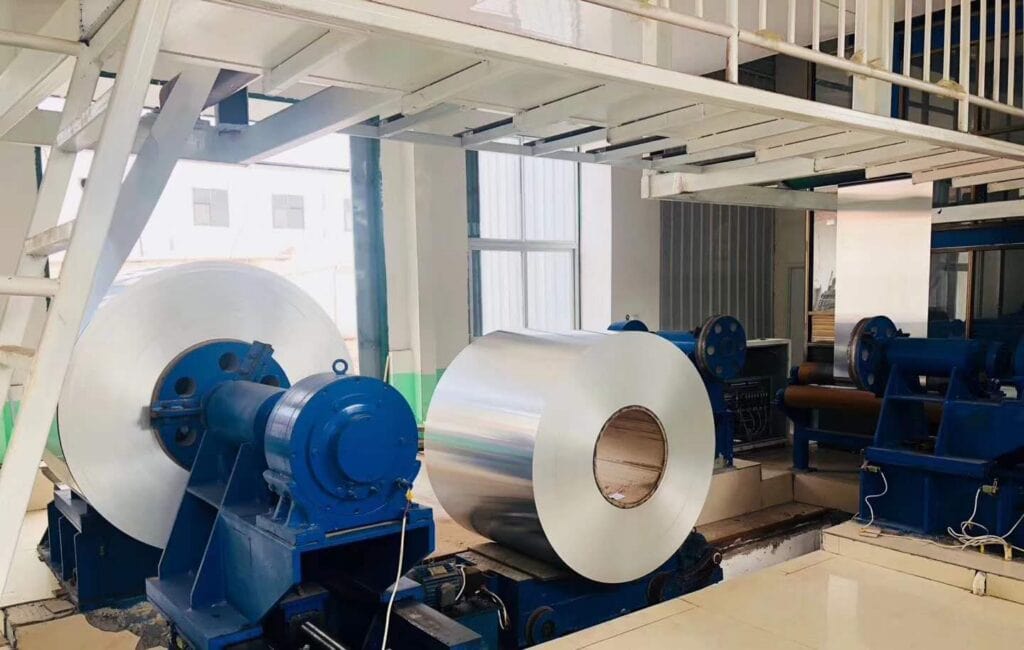
We make this double layer thermal plate in our own factory on the same substrate and coating lines as our other thermal plates. Like any thermal plate it can be handled in normal room light; avoid long exposure to direct sunlight before processing.
How the two coating layers work
Separating the coating into two layers lets each one be designed for one job:
- Top imaging layer: tuned for a clean response to laser energy and a clear contrast between imaged and non-imaged areas, so fine dots and text hold after development.
- Base layer: tuned for resistance to UV ink components, UV blanket and roller washes, plate cleaners and alcohol substitutes, and for mechanical wear.
- On press: as the top layer is worn by paper, ink and blanket contact, the base layer continues to carry the image instead of exposing bare metal.
A single-layer plate asks one coating to do both jobs, which is fine on conventional ink but becomes the weak point once harsher chemistry arrives.
UV ink and chemical resistance
Pressrooms moving to UV often tell us “the UV wash eats the image” or “highlights drop out halfway through the run”. UV and LED-UV inks contain reactive monomers, and the matching washes are stronger solvents than conventional blanket wash. Both attack phenolic plate coatings. A double-layer plate does not make chemistry irrelevant, but its base layer gives the image a much wider safety margin.
| Pressroom condition | Effect on a single coating | Double-layer response |
|---|---|---|
| UV or LED-UV ink | Coating softens, highlights wear early | Base layer resists ink components |
| UV blanket and roller wash | Image attacked when splashed or wiped | Better resistance to wash contact |
| Aggressive plate cleaner | Image can be weakened at each cleaning | Tolerates cleaning better |
| Coated board, recycled paper | Abrasion wears the image | Better wear resistance, more with baking |
| Hybrid or mixed UV and conventional jobs | Needs careful job planning | One plate for UV and conventional jobs |
Use UV-compatible plate cleaner and wash, keep plates out of standing wash solvent and run a press test on your ink before a long job. Our page on plates for UV and LED-UV offset printing covers the full pressroom setup.
Processing double-layer thermal plates
A common question is “do I need a different developer?” In most pressrooms the answer is no: the plate develops in a positive thermal processor with alkaline thermal CTP developer, then rinse and gum. Because two layers must clear in the image areas, development time and developer activity matter more than with a single coating:
- Set temperature and dwell time to the window in the grade TDS, not to the previous plate’s settings.
- Calibrate exposure on your thermal platesetter with a step wedge before production.
- Keep replenishment active and check a control strip every shift; an exhausted bath can leave base-layer residue that causes toning.
- Clean brushes and rollers on schedule so that residue does not redeposit.
If your thermal plate processor already runs positive plates, we confirm settings with you before the first delivery.
Baking double-layer plates for the longest runs
Some buyers assume that baking any thermal plate makes it ready for UV ink. That is only half true. UV resistance starts with the coating design; baking then hardens the image and adds wear resistance on top. A double-layer plate can often run UV work unbaked; for the longest runs, abrasive board and metal decorating, bake it with baking gum in a plate baking oven. Temperature and time are given in the grade TDS. Ask yourself “is baking really needed” per job: bake when run length or abrasion demands it, and skip it on medium runs to save oven time and energy.
When double-layer is worth the extra cost
Double-layer plates cost more, so the question is payback. They pay for themselves when they prevent remakes, press stops and wasted sheets. Typical cases:
- UV, LED-UV or hybrid ink on any run length.
- Folding carton printing and other packaging work on coated or abrasive board.
- Long conventional runs where you want fewer remakes on long jobs without baking every plate.
- Metal decorating, where UV-ink resistance and baking are both usually required.
For short-run commercial work on conventional ink, stay with the single-layer grade. For a comparison across all plate types, use our printing plate selection guide.
Gauges, sizes and what to send for a quote
Standard gauges are 0.15, 0.20, 0.25 and 0.30 mm, cut to your press size; see the plate size chart or ask for custom plate sizes. To quote, send your sizes and gauge, platesetter and processor models, ink system (UV, LED-UV, hybrid or conventional), substrate, typical run length and monthly volume. MOQ, lead time and price are confirmed in the quotation; the grade TDS is available on request with it.
FAQ
What is a double layer thermal CTP plate?
It is a positive offset plate with two coatings: a chemically resistant base layer and an 830 nm heat-sensitive imaging layer. Both clear in the developer where the laser images the plate.
What are the benefits of a double layer printing plate?
Better resistance to UV ink, UV washes, plate cleaners and abrasive stock, so the plate holds highlights longer and needs fewer remakes on long or UV jobs.
Are double layer CTP plates resistant to UV ink?
Yes, that is their main purpose. The base layer resists UV ink components and washes. Test on your press and ink before a long run, and use UV-compatible cleaners.
Do double layer thermal plates need baking?
Not always. Many UV jobs run unbaked. Bake with baking gum in a plate baking oven for the longest runs, abrasive board and metal decorating, following the grade TDS.
Can I process double layer plates in my existing thermal processor?
Normally yes, in a positive thermal processor with alkaline thermal developer. Set temperature, dwell time and replenishment to the grade TDS and check a control strip.
Running UV ink or long jobs? Request a quote with your plate sizes, gauge, platesetter and processor, ink system and monthly volume. Or request trial plates / contact us.
Disclaimer: values on this page are typical and for reference only; final specifications, MOQ, price and lead time are subject to the grade TDS and the quotation.