
Last updated: October 2026
Quick answer: Printing plate batch consistency means each delivery images, processes and prints like the batch you approved, without new settings. It depends on stable substrate, coating and drying at the factory, verified by a per-batch imaging test and batch records, plus a short incoming check and a stable developer, exposure and storage routine on your side.
Key takeaways
- Batch variation usually comes from substrate surface, coating weight or drying, and is caught by testing each batch.
- Ask for batch labels and quote the approved batch when you reorder.
- A five-minute incoming check with a test form catches most problems before the press does.
- Keep your own developer, exposure and storage stable, or you cannot tell plate variation from process drift.
Ask a pressroom manager what annoys them most about plates and the answer is often the same: every new delivery needs new settings. The first order was good and the second was not, or toning appeared with the new batch. Every supplier says their quality is consistent, so the claim alone is worth little. This article explains where batch-to-batch variation comes from, what a manufacturer should do about it, and how you can verify it yourself for CTP plates, CTcP and PS plates and flexo plates.
What batch consistency means for printing plates
A batch is one production run of one grade: the same substrate, coating and drying conditions. Batch consistency means that a plate from a new batch needs the same exposure, clears in the same developer conditions, and prints with the same dot reproduction and ink-water behaviour as the batch you approved. The practical result is the one every printer wants: month twelve prints like month one, with settings that stay the same between orders.
Why plates vary from batch to batch
Most variation in the industry comes from a few stages of plate making:
| Source | What changes | What you see |
|---|---|---|
| Aluminium substrate and graining | Surface texture and water-holding behaviour | Changed ink-water balance, scumming or toning |
| Anodising | Surface hardness and wear | Shorter run before wear |
| Coating weight and uniformity | Sensitivity across the sheet | Exposure shift, lost highlights or filled shadows |
| Drying and conditioning | Coating behaviour in the developer | Slow clean-out or over-development |
| Cutting, interleaving and packing | Edges, flatness, surface condition | Scratches, edge burrs, punch problems |
| Transit and storage | Heat, humidity and age of the plates | Background toning, sensitivity drift |
For flexo plates the equivalent variables are photopolymer formulation, sheet thickness and floor, and the processing conditions that set relief depth and hardness.
How the manufacturer controls each batch
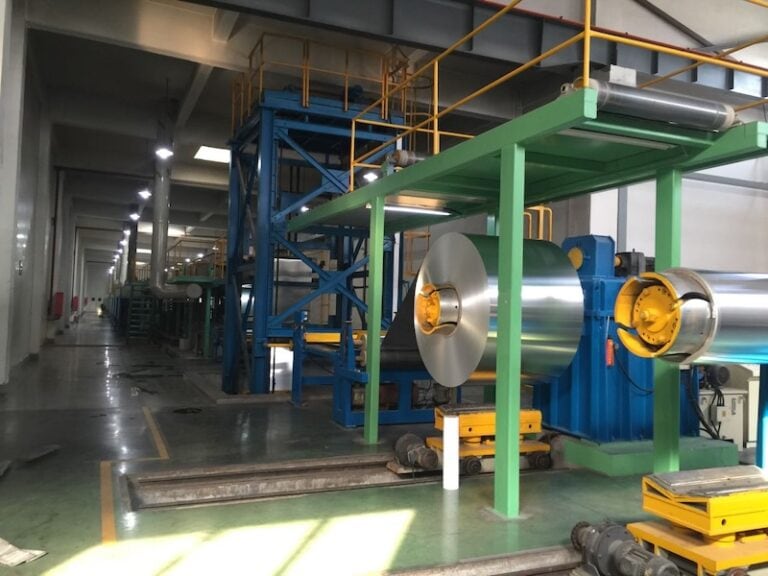
At CTPPress we manufacture our offset and flexo plates in our own factory, so the controls sit with the people who coat the plates. The routine is described on our plate quality control page; in short, every batch is checked before it is packed:
- Coating uniformity: visual and measured checks for even coating across the sheet.
- Image reproduction: sample plates are imaged on an in-house platesetter and processed; highlight and shadow dots, fine lines and solids are compared with the grade target.
- Clean-out: non-image areas must clear at the developer temperature and time in the grade TDS.
- Physical condition: surface, edges and flatness before interleaving and packing.
- Batch records: each batch is recorded against its grade specification, and the batch number goes on the carton label.
For flexo grades the same discipline applies to relief depth, hardness and washout conditions. When you ask any supplier about consistency, ask what is tested on each batch, under which conditions, and whether the batch number on your carton links back to a record. Proof that the batch was tested is worth more than a promise.
Incoming inspection checklist for each delivery
“We do not have time to test every delivery” is a fair objection. The check below takes a few minutes and one plate per batch, and it is far cheaper than a failed run. Use the same test form each time; our plate test protocol gives a fuller method for new grades.
| Step | What to check | Action if it fails |
|---|---|---|
| Receipt | Cartons dry and undamaged; batch label matches the order | Photograph before opening; report with the batch label |
| Visual | Coating even, no scratches, clean edges, flat sheets | Set the cartons aside; do not mix with good stock |
| Image a test form | Your normal exposure setting | Run an exposure series before changing anything else |
| Process | Clean background, sharp dots, no residual coating | Check developer temperature, conductivity and dwell |
| Measure | Highlight and shadow patches against your reference plate | Compare with the approved batch values |
| Record | Batch number, settings, result | Keep the record with your order file |
Keeping your own process stable
“The problem is probably our chemistry” is sometimes true. Plate variation and process drift look the same on press, so a stable process is the only way to tell them apart. Keep these under control:
- Developer: temperature, conductivity, replenishment and bath age as specified in the TDS; our CTP developer is matched to our grades.
- Processor: clean rollers and brushes on a schedule; see plate processor maintenance.
- Exposure and calibration: re-check after platesetter service, not after every delivery.
- Storage: flat, dry, away from heat and light, first in, first out, as in the plate storage guide.
- Reference plate: keep one processed plate from the approved batch as the comparison standard.
With these in place, the belief that every change on press is the plate’s fault gives way to evidence: a stable developer, exposure and storage routine separates plate variation from process drift, and both sides can fix the right thing.
When a batch behaves differently: what to do
- Stop mixing batches; label the suspect cartons.
- Run the same test form on a plate from the approved batch (or your reference plate) and the new batch, same day, same settings.
- If only the new batch differs, send the batch label, photos and your settings to the supplier.
- Keep the remaining plates from that batch available for checking.
- Agree the remedy in writing, as set out in your order documents; see warranty and service.
Our technical support team checks the batch record against your results and replies in writing. The CTP plate troubleshooting guide covers common faults such as scumming, toning and lost dots.
Consistency is verified, not promised
Many buyers treat batch consistency as a promise to take on trust. It does not have to be. Consistency is verified with batch records, a per-batch imaging test at the factory and a short incoming check against the approved batch. When you switch CTP plate supplier or start a new grade, set these routines up from the first order.
FAQ
Why do printing plates vary from batch to batch?
Variation usually comes from the substrate surface, graining and anodising, coating weight and drying, or from heat and humidity in transit and storage. Testing each batch at the factory and checking each delivery catch most of it.
How do plate manufacturers control batch consistency?
A plate manufacturer should check coating uniformity, image a sample from every batch on a platesetter, check clean-out under the TDS developer conditions and inspect physical condition, then keep a batch record linked to the batch number on the carton.
How can I check a new batch of plates before production?
Image one plate per batch with your standard test form and exposure, process it, and compare highlight and shadow patches and background with a reference plate from the approved batch. Record the batch number and result.
What should a batch label on printing plates show?
At minimum the grade, size and gauge, quantity and batch number, so the plates can be traced to the production record and a repeat order can be matched to the approved batch.
What should I do if a new plate batch behaves differently?
Stop mixing batches, compare the new batch side by side with the approved one under the same settings, and send the batch label, photos and settings to the supplier while keeping the remaining plates for checking.
Want repeat orders that print like the first? Request a quote: send the grade, sizes and gauge, your platesetter and developer, and the batch you approved. Or request trial plates / contact us.
Disclaimer: values on this page are typical and for reference only; final specifications, MOQ, price and lead time are subject to the grade TDS and the quotation.


