
Last updated: November 2026
Quick answer: Every offset plate base is cold rolled to its final gauge, so the two names describe how the coil was made before that. Cold-rolled base is cast as a thin strip and cold rolled to gauge. Hot-rolled base is cast as a thick slab, hot rolled into coil and then cold rolled. The difference shows when you bake. In our experience, only plates made on cold-rolled base can be baked, and a plate on hot-rolled base comes out of the oven soft. Most offset plates today are made on cold-rolled base.
Key takeaways
- Cold-rolled and hot-rolled describe how the base coil was made. Both are finished by cold rolling to plate gauge.
- In our experience, only plates made on cold-rolled base can be baked. Plates on hot-rolled base go soft in the oven.
- A quick check: bake one plate, let it cool and stand it on its edge. A soft plate will not stand up.
- No oven setting corrects a soft base, so check the plate before you adjust the oven.
- Most offset plates today are made on cold-rolled base. Ask your supplier before you order plates for baking.
Printers who bake plates sometimes send us the same complaint: “plates come out of the oven soft”. They turn the oven down, shorten the bake and the plates are still limp. The cause is often in the aluminium under the coating. This guide explains the two ways plate base is made, what each means for baking, and how to check a plate before you bake a full batch. It is written for printers who bake thermal CTP plates, CTcP plates or PS plates for long runs, and for dealers who are asked why two plates that look the same behave differently.
What cold-rolled and hot-rolled mean for plate base
An offset plate is a thin sheet of aluminium, usually 0.15 to 0.30 mm thick, that is grained, anodised and coated. The aluminium is a high-purity 1xxx-series alloy such as 1050 or 1060, rolled to a hard temper so the plate stays flat and stiff in handling. Our plate gauge guide covers thickness. This article is about how the metal reaches that thickness.
Hot rolling does not reach plate gauge, so every plate base is finished by cold rolling. The two trade names describe what happens before that last stage:
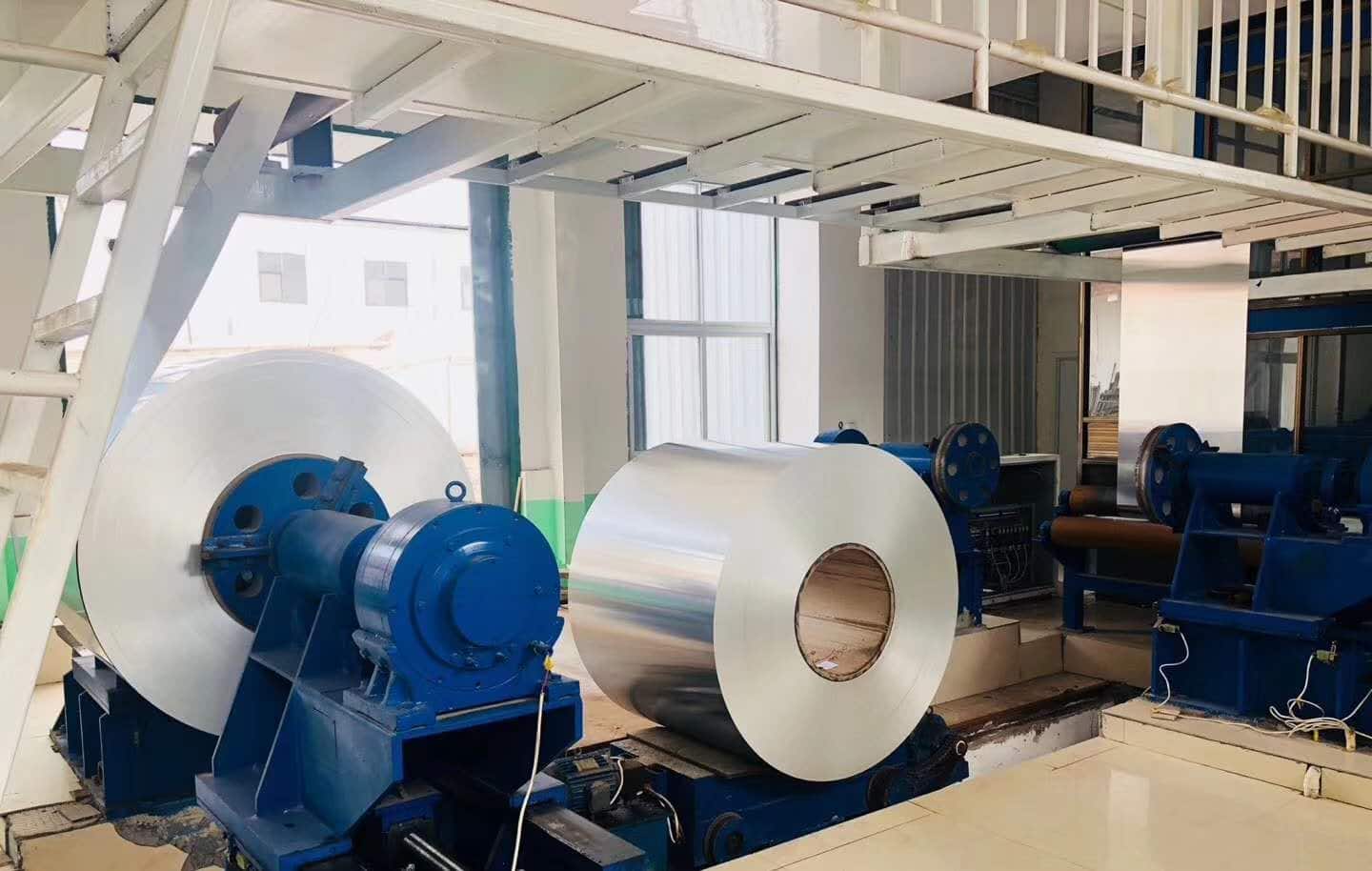
- Cold-rolled base. Molten aluminium is cast directly into a thin strip a few millimetres thick and coiled. The coil is then reduced to plate gauge by cold rolling alone. Because the strip is cast between rolls, this route is also called cast-rolled or continuous cast.
- Hot-rolled base. Molten aluminium is cast into a thick slab. The slab is reheated and rolled hot into coil, and the coil is then cold rolled to plate gauge.
Both routes can give flat, clean base in the same alloy, temper and gauge. A finished plate does not show which route its base came from.
Cold-rolled vs hot-rolled base at a glance
| Point | Cold-rolled base | Hot-rolled base |
|---|---|---|
| How the coil is made | Cast as a thin strip, then cold rolled to gauge | Cast as a thick slab, hot rolled into coil, then cold rolled to gauge |
| Process length | Shorter, with no hot rolling mill | Longer: slab casting, reheating and hot rolling come first |
| After baking (our experience) | The plate stays stiff and stands on its edge | The plate goes soft and will not stand up |
| Suitable for baked plates | Yes | No, in our experience |
| Use in offset plates today | The common choice | Less common |
The table describes plate base in the standard 1xxx alloys. The alloy, temper and tolerances of a given order are fixed in its specification, as described on our aluminium plate substrate page.
Why the base matters when you bake plates
Baking heats a developed, gummed plate to harden the image coating. Our thermal and CTcP data sheets give 230 to 250 °C for 5 to 8 minutes, and the printing plate baking guide gives the full routine. The coating gains run length. The aluminium underneath goes through the same heat.
Plate base gets its stiffness from cold rolling. Heat can undo part of that hardening, and baking temperatures are high enough to start the process. How much stiffness the plate loses depends on the metal. In our experience the dividing line is the base route:
- A plate made on cold-rolled base keeps its stiffness through the bake. It comes out flat, handles normally and mounts on the press as before.
- A plate made on hot-rolled base comes out soft. Rest it on its edge on the floor and it will not stand up. A soft plate is difficult to handle and to mount on the press.
It is easy to assume that soft plates mean the oven temperature is wrong. If the plates are on hot-rolled base, no oven setting corrects them, because the softening comes from the metal and not from a fault in the oven. A lower temperature or a shorter time only leaves the coating under-baked, and the longer run you baked for is lost.
The opposite assumption is just as common: aluminium is aluminium, so any plate can be baked. Two plates with the same coating, size and gauge can behave differently in the same oven if their base was made by different routes.
Uneven oven heat is a separate problem. A plate on cold-rolled base can still bake unevenly in an oven with hot and cold areas, and large plates bake unevenly more often than small ones. That is an oven question; our plate baking ovens use a heating tube layout and air circulation designed to spread heat evenly through the chamber.
How to check a plate before you bake a full batch
You do not need a laboratory. Bake one plate and look at it.
- Take one plate from the batch, in your largest size, because a large plate shows softness most clearly.
- Process and gum it as usual, with baking gum, so the test matches production.
- Bake to the TDS recipe for the grade. Do not lower the temperature for the test.
- Cool the plate flat, then stand it on its long edge on the floor and let go.
- Read the result. A plate that stands and springs back when flexed is fit to bake. A plate that sags or folds under its own weight is too soft for the press.
Compare the baked plate with an unbaked one from the same box. If the unbaked plate is stiff and the baked plate is soft, the base is the cause. If you want to test before you buy, request trial plates in your size and bake them in your own oven.
What to ask your plate supplier
The base route is not printed on the box, so ask before you order plates that will be baked:
- Is this grade made on cold-rolled or hot-rolled base?
- Is the grade recommended for baking, and at what temperature and time?
- What alloy, temper and gauge is the base, and are they stated in the specification?
- Does the base stay the same from batch to batch? A change of base between orders changes how the plates bake. Our article on batch consistency lists what else to check.
What printers want is simple: plates that stay stiff after baking, and to know the plate base before ordering. Tell your supplier that you bake, and at what run lengths. If you do not bake, the base route matters much less, and size, gauge and coating decide the order.
We manufacture offset plates and the aluminium base for them in our own factory, and we make plate baking ovens. If you bake, say so in your enquiry and we will quote a grade suited to baking.
FAQ
What is the difference between cold-rolled and hot-rolled aluminium?
For plate base, the names describe how the coil was made. Cold-rolled base is cast as a thin strip and reduced to plate gauge by cold rolling only. Hot-rolled base is cast as a thick slab, rolled hot into coil and then cold rolled to gauge.
Which aluminium base is used for offset printing plates?
Most offset plates today are made on cold-rolled base in a 1xxx-series alloy such as 1050 or 1060, in a hard temper. Hot-rolled base is also used, but less often.
Why do printing plates go soft after baking?
In our experience the usual cause is the plate base. A plate made on hot-rolled base comes out of the oven soft and will not stand on its edge. A plate made on cold-rolled base stays stiff after the same bake.
Can every printing plate be baked?
No. The coating must be a bakeable type, such as thermal, CTcP or positive PS, and in our experience the plate must be made on cold-rolled base. Processless and violet plates are not baked.
How can I tell which base a plate is made on?
You cannot tell by looking at a finished plate. Ask the supplier which base the grade is made on, then bake one plate to the TDS recipe and stand it on its edge once it has cooled.
Buying plates you intend to bake? Request a quote and tell us your plate sizes, gauge and whether you bake. You can also request trial plates or contact us.
Disclaimer: this article describes typical behaviour and our own experience for reference. Results depend on the alloy, the plate grade and the baking conditions; final specifications are subject to the grade TDS and the quotation.

