Last updated: October 2026
Quick answer: Flexo plate price depends on plate type (analog or digital LAMS, solvent, water-wash or thermal), thickness, sheet size and how well it nests your jobs, hardness grade, order volume, packing and freight to your port. There is no single list price. Compare cost per job — plate area used, waste, remakes and landed freight — and send your gauges, sizes and volume for a firm quote.
Key takeaways
- Digital LAMS plates cost more per sheet than analog plates, but can lower cost per job on fine work.
- Thicker gauges and larger sheets use more photopolymer and cost more; sheet size should fit your jobs to cut waste.
- Volume, packing and freight change the landed price as much as the plate grade.
- The cheapest square metre price is not the best deal — cost per job is the number to compare.
Buyers often ask us for “the flexo plate price” as if it were one number. It is not. A thin digital plate for labels and a thick analog plate for corrugated boxes are different products, made with different amounts of photopolymer, packed and shipped differently. This article explains what moves flexo plate price, how to compare quotes you cannot otherwise compare between suppliers, and what to send so that your quote is accurate the first time. It does not list prices: those depend on your mix and are confirmed in the quotation. If you also buy offset plates, our CTP plate price guide uses the same logic.
What decides flexo plate price
| Factor | Effect on price | What to tell your supplier |
|---|---|---|
| Plate technology | Digital LAMS above analog; water-wash and thermal-processing grades priced differently from standard solvent plates | Your workflow: film or flexo imager; solvent, water or thermal processing |
| Thickness (gauge) | More photopolymer per square metre as gauge rises | Gauges used, e.g. 1.14 mm, 1.70 mm, 2.84 mm |
| Sheet size | Larger sheets cost more each; the right size reduces offcut waste | Your job sizes and preferred sheet formats |
| Hardness / application grade | Specialised grades (fine-screen, corrugated, high-durometer solids) can differ in price | Substrate, ink type and print type |
| Volume | Regular monthly volume amortises production setup, packing and freight | Monthly area or sheets per gauge |
| Packing and freight | Flat, protected export packing and sea or air freight add to landed cost | Destination port and Incoterm (FOB, CIF) |
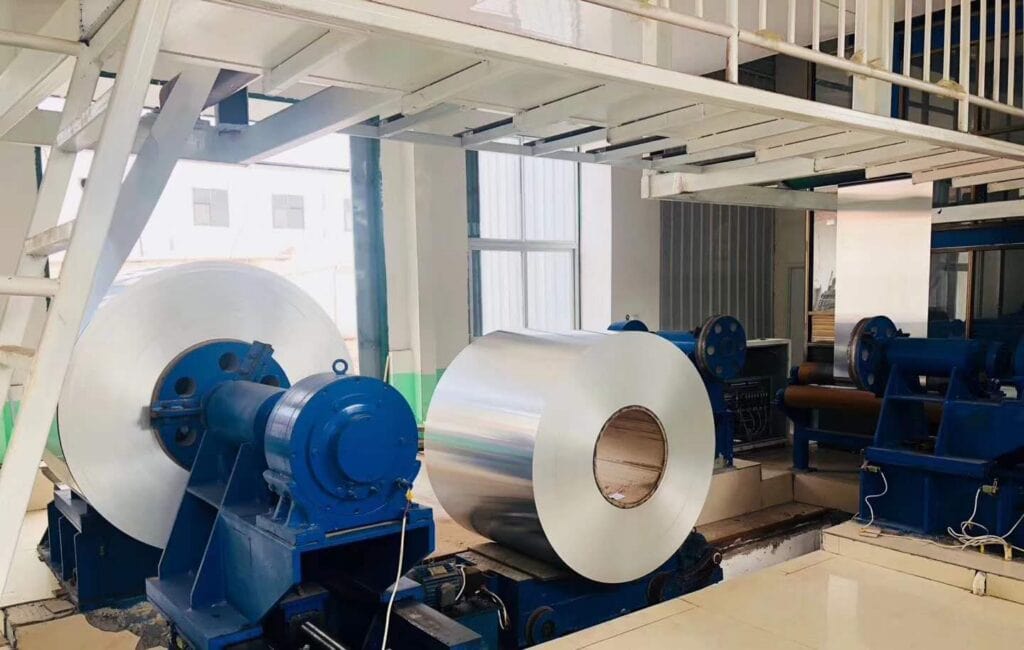
Behind all of these is the raw material: flexo plates are mostly photopolymer on a polyester base, so anything that increases polymer volume — thickness, area — increases cost. We manufacture our flexo plates in our own factory, so we can explain where a price difference comes from rather than passing on a reseller’s average.
Analog vs digital flexo plate price
Analog flexo plates are exposed through a negative film. The plate itself is simpler and costs less per sheet. Digital flexo plates carry a laser-ablatable mask (LAMS) that a flexo imager writes directly, so the plate costs more per sheet. But the digital route removes film cost, film handling and dust-related remakes, and holds finer highlight dots, which often means less make-ready and fewer rejected jobs.
So is digital too expensive for you? For simple line work, text and solids — many corrugated and bag jobs — analog usually gives the lower cost per job. For process-colour labels and flexible packaging, digital plates can lower cost per job by cutting film, remakes and make-ready, even though the sheet price is higher. Water-wash and thermal-processing plates add another trade-off: the plate may be priced differently, but you save solvent, solvent recovery and drying time. Our guide to the flexo plate making process explains where those processing costs sit.
Thickness, sheet size and hardness
Thickness. Standard flexo gauges in the industry are 1.14 mm, 1.70 mm, 2.28 mm, 2.84 mm, 3.94 mm and 6.35 mm. A 6.35 mm corrugated plate contains several times the polymer of a 1.14 mm label plate per square metre, and the price reflects that. Do not move to a thicker gauge than your press and job need — the flexo plate thickness guide shows which gauge fits which application.
Sheet size. You pay for the whole sheet, not just the image area. If your jobs nest badly onto the sheet format you buy, you end up paying for plate area that is cut off as waste. Common industry formats exist for each press width, and plates can also be cut to size; our custom plate sizes service explains how cutting is quoted. Send your typical job dimensions and we will suggest the sheet format that wastes the least.
Hardness. Plate hardness (durometer, measured in Shore A) is set per grade: thin plates for fine screens are generally harder, while thick corrugated flexo plates are softer to print on rough board. Specialised hardness grades can be priced differently; choose by application, not by price.
Volume, packing and freight
A trial order of a few sheets and a regular monthly order of the same grade are priced differently, because production setup, packing and freight are spread over more plates. MOQ and lead time are confirmed in the quotation for each grade. Freight is the factor buyers most often underestimate — freight costs more than expected when plates are shipped by air in small lots, or when packing must protect thick gauges from bending. Flexo plates ship flat in cartons, with interleaving, on pallets; our shipping and packaging page shows how. Ask for a landed price to your port (CIF) as well as FOB, so you can compare suppliers on the same basis — a supplier that quotes landed cost saves you surprises.
Cost per job, not price per square metre
The cheapest square metre price is the best deal only if every plate prints perfectly and nothing is wasted. In practice the real plate cost per job includes:
- Plate area used, including offcuts that cannot be reused.
- Remakes caused by plate defects, washout problems or damaged plates.
- Press make-ready time to reach colour and register.
- Processing costs: film (analog), solvent, drying energy and labour.
- How many reruns the plate survives with good cleaning and storage.
A plate that is slightly more expensive per sheet but makes fewer remakes, prints at colour sooner and survives several reruns gives a lower plate cost per job. That is also why trial plates do not waste time: a short trial on your own press, inks and substrate shows the real cost per job before you commit volume. Our plate cost calculator helps set up that comparison, and good habits in flexo plate cleaning and storage stretch every plate further.
How to get an accurate flexo plate quote
- List plate types and gauges — analog or digital; solvent, water-wash or thermal processing; each thickness you use.
- Give sheet sizes or job dimensions, and whether you need cut-to-size plates.
- Describe the application — labels, flexible packaging, corrugated, paper bags; ink type (water-based, solvent, UV).
- State monthly volume per gauge, in square metres or sheets.
- Name your destination port and preferred Incoterm.
- Ask for trial plates alongside the quote.
With this, we can give a clear price for your sizes and gauges, with packing and freight separated so you can compare like with like. If you also need an imager or plate processor, these are supplied with our partner factories and can be quoted with the plates — see flexo plate processors.
FAQ
How much does a flexo plate cost?
There is no single price. It depends on plate type, thickness, sheet size, hardness grade, monthly volume, packing and freight to your port. Send your gauges, sizes and volume and the price is confirmed in the quotation.
Why are digital flexo plates more expensive than analog plates?
Digital plates carry an extra laser-ablatable mask (LAMS) layer and are made to tighter tolerances for fine imaging, so they cost more per sheet. They remove film cost and many remakes, so on fine work the cost per job can be lower.
Does plate thickness affect flexo plate price?
Yes. Thicker gauges contain more photopolymer per square metre, so a 6.35 mm corrugated plate costs more per sheet than a 1.14 mm label plate of the same size. Use the thinnest gauge your press and application need.
How is flexo plate price calculated?
Suppliers price by plate grade and gauge per sheet or per square metre, then adjust for sheet size, cutting, volume, packing and freight terms. Compare quotes as landed cost per job, including waste and remakes, not just the headline square metre price.
How can I get an accurate flexo plate quote?
Send plate type and processing route, gauges, sheet or job sizes, application and ink type, monthly volume and destination port, and ask for trial plates with the quote.
Want a flexo plate quote you can compare? Request a quote — send plate types, gauges, sheet sizes, monthly volume and destination port. Or request trial plates / contact us.
Disclaimer: values on this page are typical and for reference only; final specifications, MOQ, price and lead time are subject to the grade TDS and the quotation.