Last updated: October 2026
Quick answer: To import printing plates from China safely, confirm you are dealing with the plate manufacturer, qualify the grade with trial plates on your own press, get the technical data sheet (TDS) in writing, and approve a landed quotation that states packing, documents and delivery terms. MOQ, price and lead time are confirmed in the quotation for your sizes and quantities.
Key takeaways
- Buy from the factory that coats the plates, or know exactly which factory your trader uses.
- Trial plates on your own platesetter, processor and press are the real qualification step.
- Ask for the grade TDS and quote the approved batch when you reorder.
- Compare suppliers on landed cost, not on the ex-works price per square metre.
- Your customs broker confirms classification, duties and the documents your country needs.
Many printers and consumables dealers import printing plates from China because the range is wide and the plates are made close to the aluminium supply. The buyers who have a bad experience usually describe the same three problems: quality changed after the first order, freight surprises at arrival, or the supplier stopped answering after payment. None of these is a China problem as such. They are process problems, and a structured first order prevents most of them. This guide walks through that process from first contact to repeat orders, for CTP plates, CTcP and PS plates and flexo plates.
How importing printing plates from China works
A typical first import follows the same sequence, whatever plate type you buy:
- Specification. You send your platesetter or imager type, ink system, plate sizes, gauge and monthly volume.
- Grade proposal and TDS. The supplier proposes a grade and sends its technical data sheet: exposure, developer, safelight and storage conditions.
- Trial plates. Plates cut to your size are tested on your own equipment and press.
- Quotation. Price, MOQ, lead time, packing, delivery terms and payment terms are confirmed in writing.
- Production and inspection. The batch is produced, tested and packed; batch labels travel with the goods.
- Shipping and customs. Export documents are prepared; your customs broker clears the goods at your port.
- Incoming check and reorder. You check the delivery against the approved trial and quote that batch on repeat orders.
Manufacturer or trading company: who are you buying from?
Both can work, but you should know which one you are talking to. A plate manufacturer controls the coating line, the batch records and the TDS, so technical questions reach the people who make the plates. A trading company may offer a wider basket of goods but often changes factories when prices move, which is a common reason why quality changed after the first order.
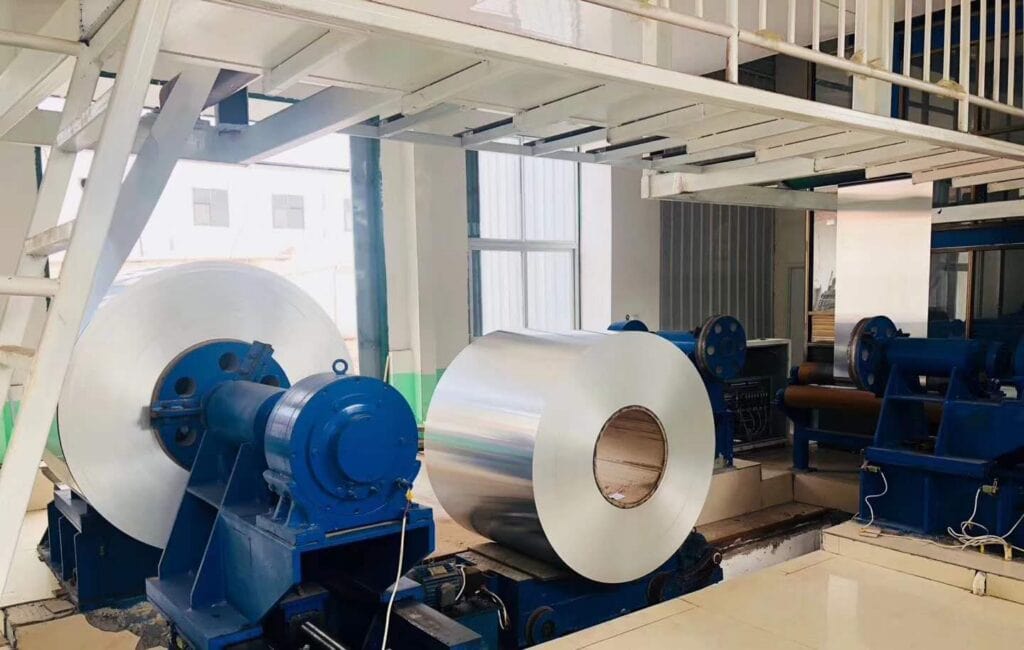
At CTPPress we manufacture our offset plates (thermal, processless, CTcP, PS, violet and polyester) and our flexo plates in our own factory, together with plate processors, baking ovens, punches, benders and developer. Platesetters, flexo imagers and some chemicals are supplied with our partner factories, and we say so on every quotation. You can see the production side on our plate factory page.
| Question to ask | Why it matters | Good answer looks like |
|---|---|---|
| Do you coat the plates yourselves? | Controls consistency between orders | Clear yes, or the factory is named on documents |
| Can I get the TDS for this grade? | Defines exposure, developer and storage conditions | A grade-specific TDS, not a generic brochure |
| Do you keep batch records? | Lets a repeat order match the approved batch | Batch number on every carton label |
| Who answers technical questions? | Problems on press need fast, specific answers | A named contact linked to production |
Buyer’s checklist before the first order
Prepare these points before you request a quotation. The more complete the information, the fewer surprises later. Our printable printing plate quotation checklist covers the same items in more detail.
- Plate type and grade: thermal CTP, processless, CTcP (UV), PS, violet or flexo; see the plate selection guide if you are unsure.
- Imaging equipment and processor, including chemistry in use.
- Ink system: conventional, UV/LED-UV or coldset for offset; solvent, water-based or UV for flexo.
- Plate sizes, gauge and quantities per size; a photo of a current plate helps.
- Expected run lengths and whether you bake plates.
- Destination port, preferred delivery terms and documents your customs broker needs.
Trial plates and qualification on your own press
“Plates from China are low quality” is an objection we hear often, and the honest answer is: some are, some are not, and a datasheet alone will not tell you which. A trial on your own press will. Request trial plates from current production, cut to your size, and run them with your own ink, paper and chemistry. Judge them against a written method so the decision is not a matter of opinion. Our plate test protocol lists what to record: exposure, clean-out, dot reproduction, roll-up and run behaviour.
Trial terms (quantity, sizes and freight) are confirmed when you request trial plates. If the trial passes, keep the batch label: the volume order is produced to the same specification.
Quotation, Incoterms and landed cost
An ex-works or FOB price per square metre is only part of the cost. What you pay at your door also includes freight, insurance, duties and local charges, plus the cost of waste if a plate does not suit your process. Ask for a quotation that shows the delivery term clearly, and compare suppliers on landed cost.
| Term (generic) | Who arranges main freight | What to check |
|---|---|---|
| EXW | Buyer, from the supplier’s premises | Export clearance and loading responsibilities |
| FOB (named port) | Buyer, from the port of loading | Your forwarder’s freight and local charges |
| CIF / CFR (named port) | Supplier, to your port | Destination charges, insurance cover (CIF) |
These are general Incoterms explanations; the term that applies to your order is stated in the quotation. We usually quote freight with the goods so you approve one landed price at port level, but the delivery term is always as agreed. MOQ, price and lead time depend on grade, sizes and quantities and are confirmed in the quotation. Our CTP plate price guide explains the price factors.
Packaging, shipping and import documents
Printing plates usually travel by sea in full or shared containers; air freight is possible for urgent small lots. Offset plates are interleaved, boxed in export cartons and palletised; flexo plates pack flat in light-safe material. Batch labels travel on the cartons. Details are on our shipping and packaging page.
For each shipment we prepare a commercial invoice, packing list and certificate of origin. Your customs broker confirms the classification, the duties and any extra documents your country requires; ask them before the order, not when the container arrives. When the goods arrive, store plates flat, dry and away from heat, as described in the plate storage guide.
Risks of importing plates and how to reduce them
| Risk | How to reduce it |
|---|---|
| Quality changes between orders | Approve a trial batch, quote its batch number on reorders, buy from the coating factory |
| Plate not suited to your platesetter or chemistry | Send equipment and chemistry details; check the CTP compatibility matrix |
| Freight surprises at arrival | Landed quotation with a clear delivery term; ask your broker about destination charges |
| Damage in transit | Export cartons, pallets and photos at receipt; report damage with the batch label |
| Heat or humidity during transit and storage | Avoid long port dwell; store cartons flat and dry; use stock first in, first out |
| Slow answers after payment | Agree a technical contact and written warranty terms before ordering |
“Shipping takes too long” is a fair concern. Transit time is a matter of route and schedule, so plan stock around it: many importers keep safety stock and place rolling orders, so plates arrive before the shelf runs empty. “We cannot visit the factory” is another common concern. Ask any supplier for production photos or a video call, then rely on the evidence that matters most: the TDS, batch labels and a trial on your own press.
Why the process matters more than the price
Many buyers start by treating the import as a gamble decided only on price. In practice, a written TDS, trial plates, batch records and a landed quotation turn importing into a controlled, repeatable purchase. What most buyers want is simple: same plates every order, one landed price, and a supplier who answers technical questions. Those come from the process, and they matter more than a small difference in unit price.
FAQ
Is it safe to import printing plates from China?
Yes, when the purchase is controlled: confirm the manufacturer, qualify the grade with trial plates on your own press, keep the TDS and batch label of the approved trial, and agree payment, delivery and warranty terms in writing before production.
How do I check plate quality before a bulk order from China?
Run trial plates from current production on your own platesetter, processor and press, and record the results against a written plate test protocol. Approve the batch only when exposure, clean-out, dot reproduction and run behaviour meet your needs.
What documents are needed to import printing plates?
The supplier normally provides a commercial invoice, packing list and certificate of origin. Your customs broker confirms the classification, duties and any additional documents your country requires.
How are printing plates shipped from China?
Usually by sea freight, with air freight for urgent small lots. Offset plates are interleaved, boxed in export cartons and palletised, and flexo plates are packed flat in light-safe material, with batch labels on the cartons.
What is the MOQ for printing plates from China?
MOQ depends on the grade, sizes and how orders combine with shipping, so it is confirmed in the quotation. Price and lead time are confirmed in the same way.
Planning your first import? Request a quote: send your plate type, platesetter or imager, ink system, sizes, monthly volume and destination port. Or request trial plates / contact us.
Disclaimer: values on this page are typical and for reference only; final specifications, MOQ, price and lead time are subject to the grade TDS and the quotation.