Understanding Modern CTP Plates: Myths vs. Reality
Most purchasing conversations treat the plate as a consumable line item — a box of aluminum sheets priced per square meter. That framing is where press efficiency quietly leaks away. CTP (Computer-to-Plate) technology sends digital files straight onto the plate surface, eliminating the need for film and making the plate the single physical object carrying every decision made in prepress.
So what are printing plates in a modern workflow? Think of the plate as the high-resolution sensor of the press. Its coating and grain determine how ink and water separate across the surface, how quickly the press reaches color, and how long that balance holds. Thermal stability, not legacy chemistry, now drives that performance.
Technical Deep Dive: How Plate Graining and Coating Thickness Dictate Quality
Electrochemical graining creates a microscopic texture that holds fountain solution in the non-image areas. Finer, more uniform grain means more predictable water carry. Coating thickness governs dot gain: thinner, evenly applied layers reproduce sharper highlights. Thermal imaging layers respond to infrared heat, changing solubility or adhesion; violet layers react photochemically to light exposure instead.
Comparison: Aluminum vs. Polyester Substrates
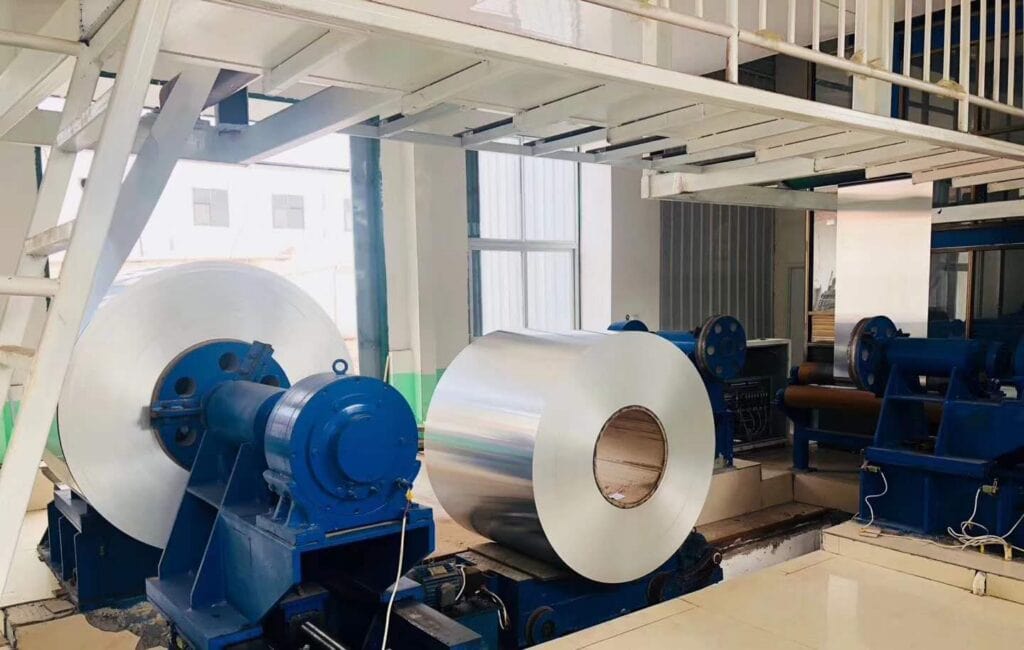
Aluminum holds dimensional stability under press tension and heat, which is why registration across four or more units depends on it. Polyester costs less and images quickly, making it reasonable for short-run, single-color or two-color small offset where tight registration is not critical. Large-format packaging, with heavy coverage and long runs, remains an aluminium plate printing domain exclusively.
The Hidden ROI of Processless Thermal CTP Technology
Processless thermal plates eliminate the need for a developer. The platesetter images the plate, and the plate goes straight to the press. There is no processor to replenish, no developer bath to monitor, no rinse water, no spent chemistry awaiting collection.
Here’s how it works: the unexposed coating is removed by the fountain solution and ink during the first revolutions on press — develop-on-press. What the plate costs per sheet may sit slightly higher than conventional offset printing plates, but the comparison is incomplete without chemistry purchase, processor electricity, maintenance labor, water use, and disposal fees on the other side of the ledger.
For shops facing tightening wastewater and chemical handling obligations, removing the processor removes an entire compliance category from the facility.
Eliminating the Prepress Bottleneck
A processor demands daily checks, weekly cleaning, and periodic full drains — hours of recurring labor that produce nothing billable. Removing it also removes thermal distortion from processor drying, a quiet contributor to registration drift on tight jobs. The workflow simplifies to RIP, image, and load. Calibration curves still need validating, but the moving parts are gone.
Ink-Water Balance and Press Performance
Chemistry-free coatings typically reach color quickly because the clean-out happens as ink and dampening establish themselves, rather than afterward. Dot reproduction holds steadily through long runs, and well-specified processless plates sustain six-figure impression counts on suitable work. The belief that chemistry-free plates are fragile is outdated; current formulations are robust.
Choosing Between Thermal and Violet CTP Plates
Run length, ink system, and throughput demand decide this, not preference. Thermal imaging uses an infrared laser around 830nm, delivering tight, hard dots suited to fine screening and heavy ink coverage. Violet imaging at 405nm exposes faster and drives lower-cost laser diodes, which favors high plate volume per shift.
UV inks and aggressive washes attack coatings harder, so printers running UV frequently specify baked plates for extended life; unbaked plates are adequate for conventional inks on standard runs. Commercial printers producing fine-screen brochures and packaging typically choose thermal. A newspaper operation producing an aluminum newspaper printing plate under deadline pressure, with coarser screens and shorter runs, often lands on violet. The deeper tradeoffs are covered in thermal vs violet CTP.
Thermal CTP: The Precision Standard
- Hard-dot imaging supports FM and hybrid screening without dot bridging in shadows
- Daylight-safe handling removes the need for a darkroom or amber-lit plate room
- Compatibility hinges on matching plate sensitivity, in millijoules per square centimeter, to the platesetter’s calibrated output
- Drum type, punch pattern, and gauge must match your ctp offset machine exactly
Violet CTP: The Speed Specialist
Violet laser diodes are inexpensive to produce and replace, which keeps platesetter entry cost and service exposure lower. Silver halide violet plates need a maintained processor and attention to silver recovery; photopolymer versions typically require a preheat and gum station. Both demand safelight conditions during loading and handling — an operational constraint worth confirming before committing floor space.
Operational Limitations and Strategic Considerations
Processless is not universally correct. Highly abrasive inks, metallic pigments, and certain UV systems wear unbaked chemistry-free coatings faster than a baked conventional plate would tolerate, and processless plates cannot be baked. Very long packaging runs may still favor a developed, baked plate.
Sensitivity and shelf-life pull against each other. Faster-imaging coatings are more reactive to ambient light, heat, and humidity, which shortens the usable window once a box is opened.
Most “plate quality problems” are storage problems. Boxes stored near a loading dock, stacked unevenly, or opened and left partially exposed will fail unpredictably. When evaluating a supplier, request batch numbers, ask how coating weight is verified between lots, and run two different batches through identical jobs before switching volume.
Common Failure Modes and Fixes
Blinding — image areas refusing ink — usually traces to fountain solution conductivity or pH drift, or gum residue left on the surface. Premature wear shows its cause in its pattern: uniform image loss suggests chemical attack, while lead-edge or streaked wear suggests blanket packing or cylinder pressure. Banding or soft imaging calls for laser head focus and power recalibration.
Where the Savings Hide: Bulk Procurement and Storage
Store plates in a stable, climate-controlled area away from exterior walls; humidity swings cause interleaf paper to transfer marks onto coatings. Bulk orders lower unit cost, but only if the pallet is moisture-barrier wrapped and consumed within shelf life. Before committing, request a sample batch and run it on your actual press configuration and ink set.
Frequently Asked Questions About CTP Plates
Buyers researching ctp printing tend to arrive with the same four questions.
Positive and negative working plates differ in which areas the laser addresses, and that affects dot shape and tonal control. Processless plates need no developer at all — they are not simply compatible with your existing chemistry, they bypass it; conventional plates do require chemistry matched to the coating.
Color accuracy in current workflows comes from a calibrated RIP curve validated against a measured plate reading, not from assuming the platesetter is still in spec.
Resolution matters most in packaging, where vignettes, fine type reversals, and brand-critical spot colors reveal any dot instability immediately.
Positive vs. Negative Working Performance
Positive-working plates expose the areas to be removed, giving tight control over highlight dots and a wide processing latitude — the reason they dominate high-quality commercial work. Negative-working plates expose the image areas directly, image faster at lower energy, and reach throughput targets that deadline-driven newspaper production needs.
Compatibility and Chemistry FAQ
There is no universal developer. Each coating is formulated against a specific chemistry; substituting one degrades latitude and shortens plate life even when it appears to work. Unopened, properly stored boxes hold their rated shelf life, which is printed on the packaging. Custom sizes, gauges, and punch configurations require lead time — confirm it with your supplier before scheduling.
The Bottom Line: Key Takeaways
The processor has always been the weak link: chemistry to mix, waste to haul, variables to chase. Removing it with processless thermal plates converts a maintenance burden into recovered press time.
Plate choice is a scheduling decision as much as a procurement one. Every makeready minute spent chasing ink-water balance is press capacity sold at a loss.
A procurement checklist worth keeping: verify gauge, size, and punch against your platesetter; confirm sensitivity matches calibrated laser output; request batch consistency documentation; test a sample on your own ink set; and confirm realistic lead times for repeat volume. Suppliers serving regional markets should state both. Matching plate to hardware is non-negotiable.
Where to Look Next
Refer to manufacturer documentation for laser energy requirements and punch specifications for your specific platesetter. Industry standards bodies publish color consistency and tonal reproduction guidelines worth aligning your calibration against. Lithographic surface science textbooks explain graining and wetting behavior in depth. Finally, check your regional chemical disposal rules — they often shift the economics of traditional processing more than plate price does.